
Taylor Scales offer reliable weight measurements for diverse applications, from health tracking to culinary precision․ This guide details operation,
maintenance, and troubleshooting for various Taylor models, ensuring accurate results․ Understanding your scale’s features is key to optimal use․
What is a Taylor Scale?
Taylor Scales represent a long-standing tradition of quality and accuracy in weight measurement․ Originally renowned for bathroom scales, the Taylor brand now encompasses a wide array of weighing solutions․ These include digital and mechanical bathroom scales, precise kitchen scales – both analog and digital – and specialized models for babies and medical applications․
A Taylor Scale is designed to provide consistent and dependable readings, aiding in health management, recipe precision, and various other weighing needs․ They are built with durability and user-friendliness in mind․
History of Taylor Scales
Taylor Scales boast a rich history dating back to the early 20th century, becoming a household name synonymous with reliable weight measurement․ Initially focused on producing high-quality bathroom scales, the company quickly gained recognition for its precision and durability․
Over the decades, Taylor expanded its product line to include kitchen scales and specialized models, adapting to evolving consumer needs․ The brand continues to innovate, blending traditional craftsmanship with modern technology․

Types of Taylor Scales
Taylor manufactures diverse scales, including mechanical and digital bathroom scales, precise kitchen models (analog & digital), and specialized scales for babies and medical use․
Mechanical Bathroom Scales
Taylor’s mechanical bathroom scales utilize a robust spring mechanism to determine weight․ These scales require no batteries, offering consistent performance․ Proper placement on a hard, level surface is crucial for accuracy․ Calibration is essential; adjustments are often made using a small dial․ Regularly check for smooth pointer movement and ensure the scale isn’t damaged, as these factors impact reliable readings․ Understanding the dial’s increments is key to interpreting the displayed weight․
Digital Bathroom Scales
Taylor’s digital bathroom scales employ load cells to convert weight into a digital readout․ These scales typically require batteries for operation and offer features like unit selection (lbs/kg)․ Ensure the scale is placed on a hard, flat surface before use․ Utilize the tare function to zero out items like rugs․ Regular calibration, if available, maintains accuracy․ Inspect the display for clarity and promptly replace batteries when indicated․
Kitchen Scales (Digital & Analog)
Taylor kitchen scales, both digital and analog, are crucial for precise recipe measurements․ Digital models feature tare functions for container weight subtraction and unit conversions․ Analog scales rely on spring mechanisms; ensure the needle returns to zero before each use․ Regularly clean the platform to prevent residue buildup․ Proper leveling is vital for accurate readings on both types of scales․
Specialty Scales (Baby, Medical)
Taylor offers specialized scales for sensitive applications like infant and medical weight monitoring․ Baby scales prioritize gentle platforms and secure restraints․ Medical scales demand high precision and often include features like BMI calculation․ Always follow specific instructions for each model, ensuring proper calibration and hygiene․ Consistent surface stability is paramount for reliable measurements in these critical contexts․
Understanding Scale Components
Taylor Scales utilize platforms, load cells (digital), or spring mechanisms (mechanical) to detect weight․ A display unit presents the reading; proper component function ensures accuracy․
Platform/Surface
The platform is the scale’s weight-bearing area, crucial for accurate readings․ Ensure it’s level and placed on a hard, stable surface – carpet or uneven floors introduce errors․
For Taylor scales, avoid placing directly on rugs or soft materials․ Clean the platform regularly to remove debris that could affect weight detection․
A solid, consistent surface guarantees reliable measurements, maximizing the scale’s performance and longevity․
Load Cells (Digital Scales)
Digital Taylor scales utilize load cells – sensors converting force into electrical signals․ These cells, positioned beneath the platform, detect weight changes with precision․
Damage to load cells directly impacts accuracy; avoid dropping heavy objects onto the scale․ Consistent, even weight distribution across the platform optimizes load cell performance․
Regular calibration helps maintain the sensitivity and reliability of these vital components within your Taylor scale․
Spring Mechanism (Mechanical Scales)
Mechanical Taylor scales rely on a carefully calibrated spring system to measure weight․ When weight is applied, the spring stretches proportionally, moving the indicator needle․
The spring’s tension and the scale’s levers are crucial for accuracy․ Avoid exceeding the scale’s weight limit, as this can permanently deform the spring, leading to inaccurate readings․
Gentle handling and proper leveling are essential for maintaining the integrity of this traditional weighing mechanism․
Display Unit
The display unit is how Taylor scales communicate weight measurements․ Mechanical scales feature a dial with graduated markings, requiring direct eye-level reading․ Digital scales utilize LCD or LED screens, providing clear numerical displays․
Ensure adequate lighting for visibility with analog displays․ Digital displays may offer backlight options․ Understanding the units (lbs, kg) shown is vital for correct interpretation of the weight reading․
Operating Instructions: Mechanical Scales
Mechanical Taylor scales require a flat, stable surface․ Gently step on, distributing weight evenly․ Allow the needle to stabilize before reading the weight indicated on the dial․
Calibration of Mechanical Scales
Taylor mechanical scales often feature an adjustment knob, typically located beneath the dial․ To calibrate, use a known weight – carefully place it on the scale․ Rotate the adjustment knob slowly until the indicator aligns with the correct weight value․ Repeat this process to ensure accuracy․ If the scale consistently reads incorrectly, professional servicing might be necessary․ Proper calibration guarantees reliable measurements, crucial for health and other applications․ Regular checks are recommended for continued precision․
Reading the Weight Display
Taylor mechanical scales utilize a pointer indicating weight on a graduated dial․ Ensure the scale is on a level surface before use․ Observe the pointer’s position carefully, noting the corresponding weight value․ Some scales have multiple scales for different weight ranges; select the appropriate one․ Read the weight directly where the pointer rests on the dial․ Consistent reading angles will improve accuracy․ Familiarize yourself with the dial’s increments for precise measurements․
Troubleshooting Common Issues
If a Taylor mechanical scale doesn’t zero, gently rock the platform․ For inaccurate readings, verify level placement and avoid uneven weight distribution․ A stuck pointer may require careful manipulation – do not force it․ If the spring feels weak, calibration is needed․ Digital scales lacking power need battery replacement․ Display errors suggest calibration or potential malfunction; consult the manual․

Operating Instructions: Digital Scales
Digital Taylor scales require batteries and offer unit selection (lbs, kg, oz)․ Utilize the tare function for container weights, and calibrate regularly for precision․
Powering On/Off
Taylor digital scales typically activate with a press of the “ON/OFF” button, often located on the scale’s surface or side․ A brief display illumination confirms power-up․ To conserve battery life, the scale usually features an automatic shut-off function after a period of inactivity – around 2-3 minutes is common․ Ensure the battery compartment is securely closed after replacement․ A prolonged press might be needed for some models to completely deactivate the device, preventing accidental readings or battery drain․
Units of Measurement (lbs, kg, oz)
Taylor digital scales offer versatile unit selection, commonly including pounds (lbs), kilograms (kg), and ounces (oz)․ A dedicated “Unit” or “Mode” button cycles through available measurements․ Pressing this button repeatedly allows you to choose the desired unit for your weight display․ Confirm the correct unit is selected before each use to ensure accurate readings․ Some models may remember your last selected preference automatically․
Tare Function Explained
The Tare function on Taylor digital scales zeroes the display, disregarding the weight of a container․ This is crucial for accurate ingredient measurements․ Place the empty container on the scale, then press the “Tare” button․ The display will reset to zero, allowing you to measure only the contents within the container․ Repeat if the container is removed or changed․
Calibration of Digital Scales
Taylor digital scales may require periodic calibration for optimal accuracy․ Typically, this involves using a known weight (often a standard calibration weight set, sold separately)․ Consult your specific model’s manual for detailed instructions, as procedures vary; Calibration ensures the scale consistently displays correct weights, vital for health, cooking, or other precise applications․

Scale Maintenance & Care
Regular cleaning and proper storage extend your Taylor scale’s lifespan․ Replace batteries promptly in digital models, and avoid harsh chemicals during cleaning for sustained accuracy․
Cleaning Procedures
For both mechanical and digital Taylor scales, begin by removing any detachable parts, like the weighing platform, if applicable․ Gently wipe the scale’s exterior with a slightly damp, soft cloth․ Avoid abrasive cleaners or harsh chemicals, as these can damage the finish or internal components․
For stubborn stains, a mild soap solution can be used, ensuring the cloth is only damp, not wet․ Thoroughly dry all surfaces after cleaning to prevent corrosion or electrical issues․ Never immerse the scale in water․ Pay attention to crevices where dirt can accumulate․
Battery Replacement (Digital Scales)
Taylor digital scales typically require standard AA or AAA batteries․ Locate the battery compartment, usually on the scale’s underside, and open it․ Remove the old batteries, noting the correct polarity (+ and -)․ Insert new batteries, matching the polarity markings inside the compartment․
Ensure the battery contacts are clean for optimal performance․ Close the battery compartment securely․ Dispose of used batteries responsibly, following local regulations․ A low battery indicator signals the need for replacement․
Storage Guidelines
Taylor scales should be stored in a cool, dry place, away from direct sunlight and extreme temperatures․ Avoid storing in humid environments, as moisture can damage electronic components or affect mechanical parts․ Protect the scale from dust and debris by covering it when not in use․
For mechanical scales, avoid placing heavy objects on the platform during storage․ Digital scales should have batteries removed for prolonged periods of inactivity to prevent corrosion․
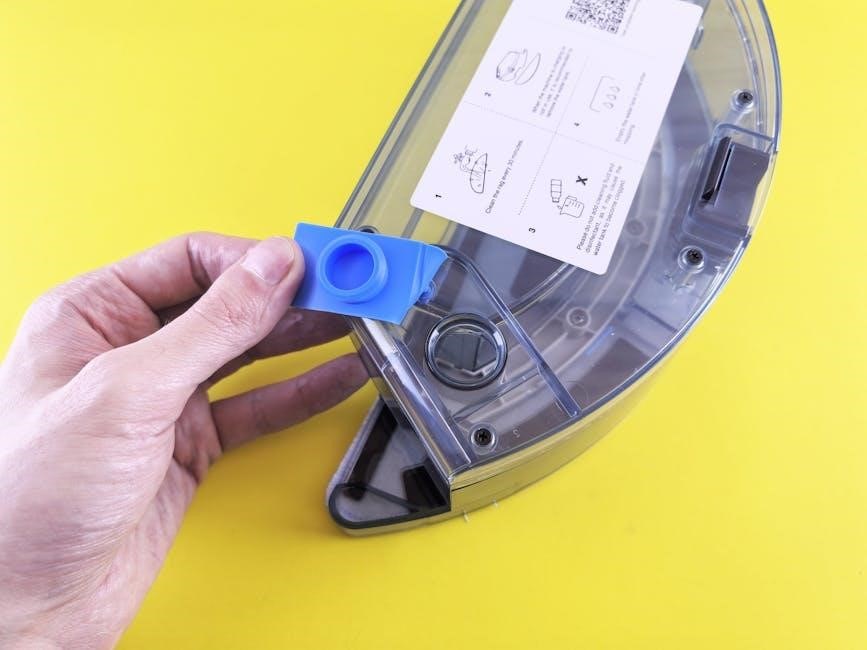
Troubleshooting Common Scale Problems
Common issues like inaccurate readings, power failures, or display errors can often be resolved with simple checks․ This section provides solutions for typical Taylor scale malfunctions․
Inaccurate Readings
Inconsistent weight displays can stem from uneven surfaces; ensure the scale rests firmly on a hard, level floor․ Verify proper calibration, following the manual’s instructions for your Taylor model․ Check battery levels in digital scales, as low power impacts accuracy․ Avoid placing items directly against the scale’s edge․ Repeated inaccuracies suggest a need for professional servicing or replacement․
Scale Not Powering On
If your Taylor digital scale fails to activate, first confirm fresh batteries are correctly installed, observing proper polarity․ Inspect the battery compartment for corrosion․ A faulty power adapter (if applicable) should be tested or replaced․ If these steps fail, the scale’s internal circuitry may be damaged, necessitating professional repair or a new unit․
Display Errors
Taylor digital scales may exhibit error codes indicating issues like overload (“Err” or “O-Ld”), low battery, or internal malfunctions․ Refer to your specific model’s manual for code definitions․ Attempt recalibration; if the error persists, avoid continued use․ Contact Taylor customer support for assistance, providing the model number and error message details․
Taylor Scale Serial Numbers & Model Identification
Taylor serial numbers help determine the scale’s manufacturing date and model․ Features like size, capacity, and digital versus analog functionality aid identification․
Decoding Taylor Guitar Serial Numbers (Relevance to identifying model year)
Taylor guitar serial numbers, while not directly applicable to scales, demonstrate Taylor’s numbering system․ Between 1975-1992, numbers indicated build year․ Though scales lack this direct correlation, understanding Taylor’s approach to tracking production provides insight into their manufacturing processes․ Examining scale features alongside any available serial numbers assists in approximating the model year, though precise dating remains challenging without official Taylor records․ The provided link (taylorguitars․com/support) offers guitar serial number decoding information․
Identifying Scale Models (Based on features)
Taylor scales vary significantly by function – bathroom (mechanical/digital), kitchen (analog/digital), and specialty (baby/medical)․ Distinguishing features include display type, weight capacity, and added functionalities like BMI calculation or tare functions․ 6-string/12-string guitar references highlight feature variations; similarly, scale models differ․ Examining these characteristics, alongside any model numbers, helps pinpoint the specific Taylor scale and access relevant instruction manuals for proper operation and maintenance․
Understanding 6-String vs․ 12-String Models (Guitar context, potential for scale variations)
While seemingly unrelated to weighing scales, Taylor guitar model distinctions – 6 vs; 12-string – illustrate feature differentiation․ Similarly, Taylor scales possess variations․ The middle digit in guitar model numbers (e․g․, 312ce vs․ 352ce) denotes top wood type․ Applying this logic, scale features dictate model identification․ Though not directly comparable, recognizing nuanced differences aids in accurate model determination for accessing the correct instruction manual․

Taylor Scale Accuracy & Precision
Taylor scale accuracy relies on factors like calibration and surface stability․ Regular calibration is crucial for precise readings, while scale resolution defines measurement granularity․
Factors Affecting Accuracy
Several elements influence a Taylor scale’s accuracy․ Uneven surfaces significantly impact readings, necessitating a perfectly level placement․ Temperature fluctuations can also cause slight variations, especially in mechanical scales․ Consistent calibration, as outlined in the manual, is paramount․
Load distribution is critical; ensure the weight is centered on the platform․ For digital scales, battery levels affect performance․ Finally, the scale’s inherent resolution—the smallest increment it displays—limits its precision․
Importance of Regular Calibration
Regular calibration is vital for maintaining a Taylor scale’s accuracy over time․ Mechanical scales can drift due to spring fatigue, while digital scales may experience sensor drift․ Following the calibration procedures detailed in your instruction manual ensures reliable measurements․
Calibration compensates for these shifts, guaranteeing consistent and trustworthy results․ Frequency depends on usage; more frequent use necessitates more frequent calibration․ Ignoring calibration leads to inaccurate readings and potentially flawed decisions․
Scale Resolution Explained
Scale resolution defines the smallest weight increment a Taylor scale can display․ For example, a resolution of 0․1 lbs means the scale shows weight changes in tenth-of-a-pound increments․ Higher resolution provides more precise readings, crucial for applications demanding accuracy․
Digital scales generally offer finer resolution than mechanical models․ Understanding your scale’s resolution helps interpret readings correctly and assess its suitability for specific tasks․

Advanced Features (Digital Scales)
Digital Taylor scales often include body fat analysis, BMI calculation, and memory functions for tracking progress․ These features enhance the user experience and provide valuable insights․
Body Fat Analysis
Taylor digital scales with body fat analysis utilize bioelectrical impedance analysis (BIA)․ A safe, low-level electrical current is sent through your body to estimate body fat percentage․ Ensure feet are clean and make contact with the electrodes for accurate readings․
Hydration levels can influence results; consistency in measurement timing is crucial․ This feature provides an estimate, not a definitive medical diagnosis, and should be used for general wellness tracking․
BMI Calculation
Taylor scales featuring BMI calculation automatically compute your Body Mass Index using your weight and height data․ BMI is a useful screening tool to categorize weight status – underweight, normal weight, overweight, or obese․ Input your height accurately during setup for precise calculations․ Remember, BMI is a general indicator and doesn’t account for muscle mass or body composition; consult a healthcare professional for personalized assessment․
Memory Functions
Taylor digital scales often include memory functions to store weight readings over time, tracking progress effectively․ These scales can typically store multiple readings, allowing you to recall past measurements․ Refer to your specific model’s manual for instructions on accessing and clearing the memory․ Consistent use of this feature aids in monitoring weight trends and achieving health goals․

Safety Precautions
Taylor scales have weight limits; exceeding them can cause damage and inaccurate readings․ Ensure stable surfaces and proper usage to prevent injury or malfunction․
Weight Limits
Taylor scales are designed with specific weight capacities, clearly indicated on the device itself or in accompanying documentation․ Exceeding these limits poses a significant risk of damaging the internal mechanisms, leading to inaccurate measurements and potentially rendering the scale unusable․
Always verify the maximum weight capacity before each use, and never attempt to weigh items beyond this specified limit․ Overloading can compromise the scale’s accuracy and longevity, voiding any applicable warranties․
Surface Stability
Taylor scale accuracy heavily relies on a perfectly level and stable surface․ Uneven floors or soft carpeting can introduce errors into weight readings․ Ensure the scale is placed on a hard, flat surface free from vibrations or movement during use․
Avoid positioning the scale near walls or objects that could interfere with its operation․ Proper surface stability is crucial for obtaining consistent and reliable measurements․
Proper Usage Guidelines
Taylor scales are designed for static weight measurements; avoid weighing moving objects․ Step onto the scale gently and stand still until a stable reading is displayed․ Distribute your weight evenly across the platform․ Do not exceed the scale’s maximum weight capacity, as this can damage the internal mechanisms․ Always use the scale as intended for accurate results․

Resources & Support
Taylor’s official website provides manuals, FAQs, and troubleshooting guides․ Contact customer support for assistance with specific issues or model inquiries․
Taylor Official Website
Taylor’s comprehensive website, taylorguitars․com/support/general-info, serves as a central hub for product information and support․ Users can access detailed documentation, including instruction manuals for a wide range of Taylor scales․ The site also features a robust FAQ section addressing common questions and troubleshooting tips․ Furthermore, it provides access to serial number decoding tools to identify specific scale models and their corresponding year of manufacture, aiding in accurate support requests․
Customer Support Contact Information
For direct assistance with your Taylor scale, reaching out to their customer support team is recommended․ While specific contact details aren’t readily available in the provided text, the official Taylor Guitars website (taylorguitars․com/support/general-info) is the best starting point․ Look for a “Contact Us” or “Support” section to find phone numbers, email addresses, or a live chat option for personalized help with your scale’s operation or any related concerns․
Frequently Asked Questions (FAQ)
Common questions regarding Taylor scales often involve calibration, accuracy, and troubleshooting inaccurate readings․ Users frequently inquire about unit conversions (lbs to kg) and the tare function’s purpose․ Battery replacement for digital models is another frequent topic․ While a dedicated FAQ isn’t provided, consulting the official Taylor website and exploring online forums can offer solutions to typical user queries and enhance your scale experience․