Understanding Men’s Boot Width: A Comprehensive Guide
Navigating men’s boot widths is crucial for optimal comfort and foot health; understanding the varying widths – B, D, E, EE, and EEE – ensures a proper fit․
Foot width significantly impacts boot fit, influencing stability, preventing blisters, and enhancing overall performance, especially in work or hiking scenarios․
Accurate measurement, utilizing charts and considering sock thickness, is paramount for selecting the correct width, avoiding discomfort and potential foot problems․
Brand variations exist, so consulting specific brand sizing guides is recommended, alongside understanding how toe shape and material affect width perception․
Proper width selection contributes to safety, particularly in work boots, ensuring secure footing and minimizing the risk of accidents during demanding tasks․
Choosing the right width enhances the longevity of your boots, preventing premature wear and tear caused by improper fit and strain on materials․
What is Boot Width and Why Does it Matter?
Boot width refers to the circumference of the boot around the widest part of your foot, a dimension often overlooked in favor of length․ It’s measured in letters, ranging from AAA (very narrow) to EEE (extra extra wide), with ‘D’ generally considered the standard width for men․
Why does width matter? A poorly fitting width can lead to a host of problems․ Boots that are too narrow will constrict your foot, causing discomfort, blisters, and even long-term issues like bunions or hammertoes․ Conversely, boots that are too wide won’t provide adequate support, leading to instability, slippage, and potential ankle injuries․
Proper width ensures your foot sits comfortably within the boot, distributing weight evenly and maximizing stability․ This is especially critical for activities like hiking or work, where foot support and protection are paramount․ Ignoring width can negate the benefits of a well-fitting length, resulting in an uncomfortable and potentially unsafe experience․
Understanding your foot’s width is as important as knowing its length for achieving a truly comfortable and functional boot fit․
The Standard Width System for Men’s Boots
The standard width system for men’s boots utilizes a lettered scale to denote varying degrees of foot width․ While sizing can differ slightly between manufacturers, the core system remains consistent․ It begins with AAA, the narrowest, progressing through AA, A, B (narrow), C, D (medium/standard), E (wide), EE (extra wide), and culminating in EEE (extra extra wide), the broadest commonly available width․
‘D’ width is universally recognized as the standard for most men’s feet, forming the basis for many boot designs․ However, individual foot shapes vary significantly․ Some men require narrower boots (B width), while others need the extra room provided by E or EE widths․
This system isn’t merely arbitrary; each width increment represents approximately 1⁄8 to 1⁄4 inch of additional width․ Understanding this scale is crucial for accurately selecting boots that accommodate your foot’s unique dimensions, ensuring both comfort and proper support․
Foot volume also plays a role, influencing how a particular width feels; a wider foot may also have higher volume․
Common Men’s Boot Widths Explained
Several widths cater to the diverse range of men’s foot shapes․ B width, considered narrow, suits those with slender feet, preventing excessive movement within the boot․ D width, the most prevalent, accommodates a standard foot, offering a balanced fit for the majority of men․
E width is designed for broader feet, providing extra space across the forefoot and instep, minimizing pressure points․ EE width caters to very wide feet, offering substantial room for enhanced comfort and reduced constriction․ Finally, EEE width, the widest commonly available, provides maximum accommodation for exceptionally wide feet․
Square toe boots generally offer more width in the toe box compared to round toe designs, influencing width perception․ Material also matters; leather stretches, while synthetic materials maintain their shape․ Choosing the correct width is vital for preventing blisters, discomfort, and long-term foot problems․
B Width (Narrow) ⸺ Detailed Characteristics
B width boots are specifically engineered for men with narrow feet, typically measuring around 3․8 to 4․0 inches in width․ These boots offer a snug, secure fit, minimizing internal movement and enhancing stability․ Individuals with a low instep or a naturally slender foot profile will find B width boots particularly comfortable․
Characteristics include a streamlined silhouette and reduced volume throughout the boot’s construction․ This design prevents excessive space around the foot, which can lead to slippage and blisters․ B width boots are often favored for dress boots where a polished, close fit is desired․
However, those with wider feet should avoid B width boots, as they can cause significant discomfort and pressure․ Proper fit is crucial; always measure your foot width before purchasing to ensure optimal comfort and prevent foot fatigue․
D Width (Medium/Standard) ⸺ The Most Common Fit
D width boots represent the standard, medium fit for most men, accommodating a foot width of approximately 4․0 to 4․2 inches․ This is the most widely available width, making it a convenient choice for many․ The D width is considered the baseline for boot sizing, and most manufacturers design their boots around this standard․
These boots generally provide a balanced fit – not too tight, not too loose – suitable for individuals with average foot width․ They offer a comfortable experience for everyday wear, work, or casual activities․ A properly fitted D width boot should feel snug but allow for natural foot movement․
If you’re unsure of your width, starting with a D width is often a safe bet․ However, always measure your foot to confirm, as individual foot shapes vary․
E Width (Wide) ⸺ For Broader Feet
E width boots are specifically designed for men with wider feet, typically measuring between 4;2 and 4․4 inches in width․ This width provides extra room in the forefoot and midfoot, alleviating pressure and discomfort experienced with standard (D width) boots․
Individuals who experience tightness or rubbing across the width of their foot, or who have noticeable spreading in their toes, will likely benefit from an E width․ These boots offer a more relaxed fit, reducing the risk of blisters and promoting all-day comfort․
Choosing an E width is crucial for maintaining proper foot health and preventing issues like bunions or hammertoes․ It’s important to accurately measure your foot width to ensure the best possible fit and avoid unnecessary constriction;
EE Width (Extra Wide) ⸺ Accommodating Very Wide Feet
EE width boots cater to men with significantly wider feet, generally measuring around 5․4 inches or more in width․ This extra-wide fit provides substantial relief for those who find standard or even wide (E width) boots too constricting․
Men needing EE width often experience discomfort, pinching, or even pain when wearing narrower boots․ Signs include foot cramping, numbness, or visible bulging of the foot against the boot’s sides․ These boots offer a more generous fit, promoting circulation and reducing pressure points․
Properly fitted EE width boots are essential for maintaining foot health and preventing long-term complications․ Accurate measurement is vital, and considering sock thickness is crucial for achieving optimal comfort and a secure, supportive fit throughout the day․
EEE Width (Extra Extra Wide) ⸺ Maximum Comfort for Wide Feet
EEE width boots represent the broadest standard size available for men, designed for those with exceptionally wide feet – typically exceeding 5․4 inches in width․ This width provides the ultimate in comfort and accommodates feet that simply cannot fit comfortably into narrower sizes․
Individuals requiring EEE width often have unique foot shapes or medical conditions contributing to their foot’s width․ These boots eliminate pinching and pressure, preventing blisters, calluses, and other foot ailments associated with ill-fitting footwear․
Selecting EEE width boots necessitates precise foot measurement and consideration of sock thickness․ While offering maximum space, ensuring a secure fit is still crucial to prevent slippage and maintain stability during activity․ Prioritize boots constructed with accommodating materials․
How to Measure Your Foot Width
Accurate foot width measurement is paramount for selecting the correct boot size and ensuring optimal comfort․ This process requires minimal tools and can be performed at home with relative ease, guaranteeing a better fit than relying solely on standard sizing․
Begin by tracing your foot on a piece of paper while standing, bearing your full weight․ Measure the distance between the widest points of the tracing, ensuring the measuring tape is held straight and snug․ Repeat this process for both feet, as slight variations are common․
Alternatively, use a flexible measuring tape to directly measure the width of your foot at its widest point․ Remember to measure while standing, as your foot expands under pressure․ Add approximately half an inch to your measurement for a comfortable fit․
Tools You’ll Need for Accurate Measurement
Achieving a precise foot width measurement doesn’t require specialized equipment, but a few key tools will significantly improve accuracy and reliability․ These readily available items ensure a consistent and dependable result, leading to a more comfortable boot fit․
A flexible measuring tape is essential; fabric or vinyl tapes conform better to the foot’s contours than rigid metal ones․ Ensure the tape features clear, easily readable markings in inches or centimeters․ A pen or pencil is needed for tracing your foot if opting for that method․
A piece of paper, large enough to accommodate your entire foot, is crucial for creating a tracing․ Sturdy paper prevents tearing during the tracing process․ Finally, a firm, flat surface is necessary for both tracing and direct measurement, providing a stable base․
Step-by-Step Guide to Measuring Foot Width
Begin by placing your foot firmly on a piece of paper, ensuring your weight is evenly distributed as if standing normally․ Trace around your foot carefully, keeping the pen or pencil perpendicular to the paper for an accurate outline․
Next, identify the widest points of the tracing – typically across the ball of the foot․ Using a ruler or measuring tape, measure the distance between these two points in inches or centimeters․ Repeat this process for both feet, as slight variations are common․
For direct measurement, wrap the measuring tape around the widest part of your foot, ensuring it’s snug but not overly tight․ Record the measurement, again repeating for both feet․ Compare both measurements and use the larger value for boot sizing․
Converting Foot Width Measurements to Boot Sizes
Once you have your foot width measurement, correlate it with standard boot width designations․ A measurement of approximately 3․8 to 4․0 inches typically corresponds to a C (narrow) width, while 4․0 to 4․2 inches indicates a D (standard) width․
For broader feet, 4․2 to 4․4 inches suggests an E (wide) width, and 4․4 to 4․6 inches points towards an EE (extra wide) fit․ Measurements exceeding 4․6 inches generally require an EEE (extra extra wide) boot․ Remember these are guidelines․
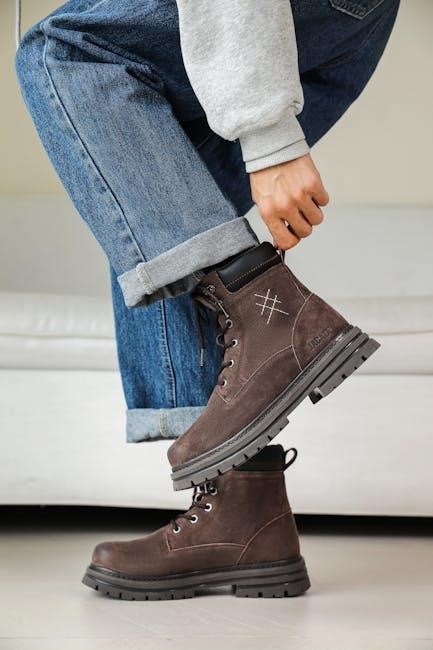
Consider that width charts can vary slightly between brands, so always consult the specific manufacturer’s sizing information․ Adding approximately 1/2 inch to your measurement can help determine the best width, especially when between sizes․
Account for sock thickness; thicker socks necessitate a wider boot to maintain comfort and prevent constriction․
Men’s Boot Width Charts by Size
Boot width requirements shift with shoe size; larger feet generally need wider boots․ Here’s a general overview, but always check brand-specific charts․
For size 10-11, a D width often suits most men, but those with wider feet may prefer an E․ Size 12-13 typically benefits from an E or EE width, especially for those with naturally broader feet․
Size 14 and above frequently require EE or EEE widths to accommodate increased foot volume and width․ These are approximate; individual foot shapes vary significantly․
Remember, these charts are starting points․ Foot length and volume also play a role in overall fit․ Consider measuring both length and width for the most accurate sizing․ Consulting a professional boot fitter is recommended for complex foot shapes․
Size 10-11 Boot Width Guide
For men wearing size 10 or 11 boots, the standard D width often provides a comfortable fit for those with average-width feet․ However, individual variations are common․
If you measure around 4․0 to 4․2 inches across the widest part of your foot, a D width is likely suitable․ Those measuring 4․2 to 4․4 inches should consider an E (wide) width for optimal comfort․
Men with narrower feet (around 3․8 to 4․0 inches) might explore a B width, though this is less common․ Always prioritize comfort; a slightly wider boot is preferable to one that constricts your foot․
Consider sock thickness when determining width․ Thicker socks necessitate a wider boot․ Remember to try boots on later in the day when your feet are naturally more swollen․
Size 12-13 Boot Width Guide
Men’s size 12-13 boots often require careful width consideration due to the increased foot length and potential for broader foot structures․ The standard D width may still work for some, but wider options are frequently needed․
A foot measuring approximately 4․2 to 4․4 inches in width at its widest point generally fits best in an E (wide) width․ For widths exceeding 4․4 inches, an EE (extra wide) is highly recommended to avoid constriction․
Individuals with particularly wide feet, measuring 4․6 inches or more, may even need an EEE (extra extra wide) boot for adequate comfort and to prevent rubbing or blisters․
Remember to account for sock thickness; thicker work or hiking socks will necessitate a wider boot․ Prioritize a comfortable fit that allows for natural foot movement without feeling cramped․
Size 14+ Boot Width Guide
Finding the correct width for size 14 and larger boots is paramount, as foot width tends to increase proportionally with length․ The standard D width is rarely sufficient for these larger sizes․
Men with size 14+ feet typically require at least an E (wide) width, and often an EE (extra wide) or even EEE (extra extra wide) is necessary for optimal comfort․ Foot widths exceeding 4․6 inches almost always necessitate an EE or EEE width․
Accurate measurement is crucial; don’t assume your width․ Consider the boot’s construction – a square toe offers more room than a rounded toe․ Material also plays a role; leather stretches, while synthetics offer less give․
Prioritize a comfortable, non-restrictive fit․ A too-narrow boot can lead to blisters, pain, and even long-term foot problems․ Always try boots on with the socks you intend to wear․
Boot Construction and Width Considerations
Boot construction significantly impacts perceived and actual width․ The toe shape – square versus round – dramatically alters the fit across the forefoot․ Square toes generally provide more room for wider feet, while rounded toes can feel constricting․
Material choice influences width․ Leather boots offer some stretch and mold to the foot over time, accommodating width variations․ Synthetic materials, however, maintain their shape, requiring a more precise initial fit․
Work boot construction often prioritizes a wider fit for stability and comfort during long workdays․ Safety toe features, like steel or composite toes, can also affect width, potentially requiring a wider size overall․
Consider the boot’s last – the foot-shaped form around which the boot is built – as it dictates the overall fit and width profile․ Understanding these construction details is vital for selecting a boot that complements your foot shape․
Impact of Toe Shape (Square Toe vs․ Round Toe) on Width
Toe shape profoundly influences the perceived width of a boot, impacting comfort and fit, particularly for those with broader feet․ Square toe boots offer significantly more space in the forefoot area, allowing toes to splay naturally and reducing pressure․
Round toe boots, conversely, tend to concentrate fit around the toe box, potentially causing discomfort or cramping for individuals with wider forefeet․ This shape often necessitates a wider boot width to accommodate the natural spread of the toes․
The difference isn’t merely aesthetic; it’s biomechanical․ Square toes promote better balance and stability, while round toes can feel more restrictive․
When selecting boots, consider your foot shape and intended use․ Wider feet generally benefit from square toe designs, while narrower feet may find a comfortable fit in round toe styles․
Material Influence on Boot Width (Leather vs․ Synthetic)
Boot material significantly impacts width and how a boot conforms to your foot․ Leather boots, renowned for their durability, naturally stretch and mold over time, adapting to the unique contours of your feet, offering a more customized fit and accommodating wider widths as they break in․
Synthetic materials, like nylon or polyester, offer less give and maintain their shape more rigidly․ Boots constructed from synthetics generally require a more precise width selection upfront, as they won’t stretch significantly with wear․
Leather’s breathability also contributes to comfort, reducing swelling that can exacerbate width issues․ Synthetic boots may trap moisture, potentially making feet feel constricted․
Consider the material when choosing a width; a slightly wider leather boot can be preferable, anticipating the stretching effect, while synthetic boots demand a closer initial fit․
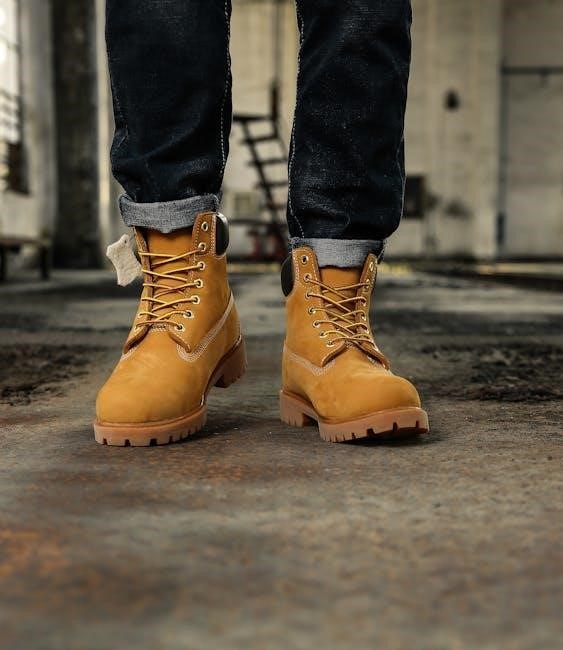
Work Boot Width: Prioritizing Safety and Comfort
Selecting the correct width for work boots is paramount, directly impacting both safety and all-day comfort․ Improperly fitted boots – too narrow or too wide – can lead to foot fatigue, blisters, and even injuries on the job․
A secure fit prevents foot slippage inside the boot, crucial when operating heavy machinery or navigating uneven terrain․ Narrow boots can constrict blood flow, while wide boots offer insufficient support, increasing the risk of ankle rolls;
Prioritize width alongside safety features like steel toes and slip-resistant soles․ Consider the demands of your work; prolonged standing requires a comfortable, supportive width, while tasks involving agility benefit from a snugger fit․
Regularly assess your work boot fit, accounting for sock thickness and potential foot swelling throughout the day, ensuring continued safety and comfort․
Specific Boot Types and Width Recommendations
Different boot styles necessitate varying width considerations for optimal performance and comfort․ Hiking boots often benefit from a slightly wider toe box (E width) to accommodate foot swelling during long treks and provide stability on uneven trails․
Dress boots, prioritizing a sleek appearance, typically suit a standard (D) or narrow (B) width, depending on foot shape and desired aesthetic․ Square-toe dress boots can offer more room than rounded-toe styles․
Work boots, as previously discussed, demand a precise fit prioritizing safety and all-day comfort; widths ranging from D to EEE are common, depending on foot volume and job requirements․ Pull-on work boots may require a slightly wider fit for ease of entry․
Always consider the boot’s construction and intended use when selecting a width, ensuring a harmonious blend of style, support, and functionality․
Hiking Boot Width: Finding the Right Fit for the Trail
Selecting the correct width for hiking boots is paramount, as foot swelling during extended hikes is common․ A standard (D) width often suits hikers with average-width feet, but many benefit from a wider (E) width, especially on longer, more challenging trails․
Consider the volume of your foot alongside width; a higher-volume foot may require extra width to prevent pressure points․ Look for boots with a generous toe box, allowing toes to splay naturally, enhancing stability and reducing blisters․
Pairing hiking boots with appropriate socks is crucial; thicker hiking socks necessitate a slightly wider boot․ Test the fit with the socks you intend to wear on the trail․ Downhill hiking often causes feet to swell and slide forward, making width even more critical․
Dress Boot Width: Achieving a Polished Look
Dress boot width significantly impacts the overall silhouette and comfort of a refined outfit․ A standard (D) width generally complements most men’s feet, providing a sleek and proportional appearance with tailored trousers․ However, those with broader feet may find an E width more comfortable and aesthetically pleasing․
Narrower widths (B) are less common but cater to men with particularly slim feet, ensuring a snug and sophisticated fit․ Pay attention to the last shape – a wider last will naturally accommodate a broader foot, while a narrower last suits slimmer feet․
Proper width prevents bunching or gaping around the ankles, maintaining a clean line․ Consider the sock thickness you’ll typically wear with dress boots; thinner dress socks allow for a closer fit, potentially requiring a slightly wider width․
Work Boot Width: Ensuring All-Day Comfort and Protection
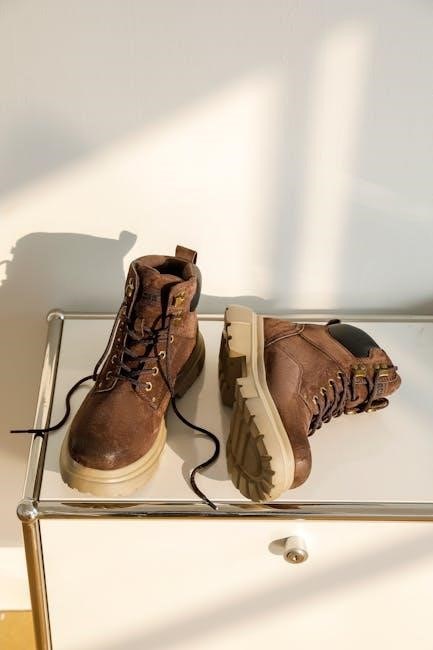
Selecting the correct width in work boots is paramount for all-day comfort and, crucially, safety․ Prolonged wear of ill-fitting boots can lead to foot fatigue, blisters, and even injuries․ A medium (D) width suits many, but demanding jobs often necessitate wider options․
For broader feet, an E or EE width provides essential room, preventing constriction and allowing for natural foot movement․ Prioritize ample toe box space, especially if wearing thick work socks, to avoid pressure points․ Safety toe boots (steel or composite) can feel narrower, so consider increasing the width by half a size․
Proper width enhances stability, reducing the risk of slips and falls on challenging terrain․ Regularly assess your boot fit, as feet can swell throughout the day, and adjust accordingly to maintain optimal comfort and protection․
Troubleshooting Common Boot Width Issues
Narrow boots (too tight) cause pinching, blisters, and restricted circulation․ Solutions include trying a wider width (E or EE), using thinner socks, or exploring boot stretching techniques – professional stretching is often best․ Avoid forcing your foot into a too-small boot, as this can lead to long-term damage․
Wide boots (too loose) result in slippage, reduced stability, and potential ankle rolling․ Remedies involve using thicker socks, adding insoles for a snugger fit, or trying a narrower width․ Consider lacing techniques that secure the heel and midfoot․
Foot volume plays a role; a high-volume foot may need a wider width even if the length is correct․ Assess your arch support – inadequate support can exacerbate width issues․ If problems persist, consult a podiatrist for personalized recommendations․
What to Do if Your Boots are Too Narrow
Experiencing pinching or discomfort across the width of your foot indicates boots are too narrow․ First, try thinner socks; a reduction in sock bulk can sometimes provide enough relief․ Next, consider boot stretching – a cobbler can professionally stretch leather boots, particularly in the toe box area․
DIY stretching kits are available, but use caution as they can potentially damage the boot’s structure․ If stretching isn’t sufficient, explore exchanging the boots for a wider width (E or EE)․ Avoid prolonged wear of overly narrow boots, as this can lead to blisters, bunions, and nerve compression․
Assess the boot’s construction; some boots are inherently narrower than others․ Look for boots with a wider toe box if you consistently struggle with narrow fits․ Remember, a comfortable fit is paramount for foot health and overall well-being․
What to Do if Your Boots are Too Wide
If your foot slides excessively within the boot, or you experience a lack of support, the boots are likely too wide․ Begin by trying thicker socks – wool or cushioned socks can fill extra space and improve fit․ Consider using tongue pads, placed under the tongue, to take up volume and secure your foot․
Insoles with arch support can also help stabilize your foot within a wider boot․ If these adjustments aren’t enough, explore heel grips or liners to reduce slippage․ For significant width issues, exchanging the boots for a narrower size (D or B) is the best solution․
Avoid relying solely on lacing to compensate for excessive width, as this can cause pressure points․ Look for boots with adjustable features, like gusseted tongues, for a more customized fit․ Prioritize a snug, secure feel without constriction․
Understanding Foot Volume and its Relation to Width
Foot volume, the overall three-dimensional space your foot occupies, significantly impacts boot fit alongside width․ A high-volume foot requires more space in both width and height, while a low-volume foot needs a snugger fit․ Width alone doesn’t guarantee comfort; a wide boot might still feel cramped if it lacks sufficient vertical space․
Consider your instep height – a higher instep needs more room over the top of the foot․ Boots with adjustable lacing systems allow for customization to accommodate varying volumes․ Pay attention to how the boot feels when laced; tightness shouldn’t cause pressure points, and looseness shouldn’t allow excessive movement․
Matching volume to width is crucial; a wider boot with a higher volume will suit a larger, fuller foot, while a narrower boot with lower volume fits a slimmer foot better․ Experiment with different boot constructions to find the best volume for your foot shape․
Additional Width Considerations
Less common widths, such as AAA, AA, and A, cater to exceptionally narrow feet, though availability is limited․ These options are often found in dress boots or specialized footwear․ Width variations between brands are significant; a size D in one brand might fit like a C or E in another, necessitating individual assessments․
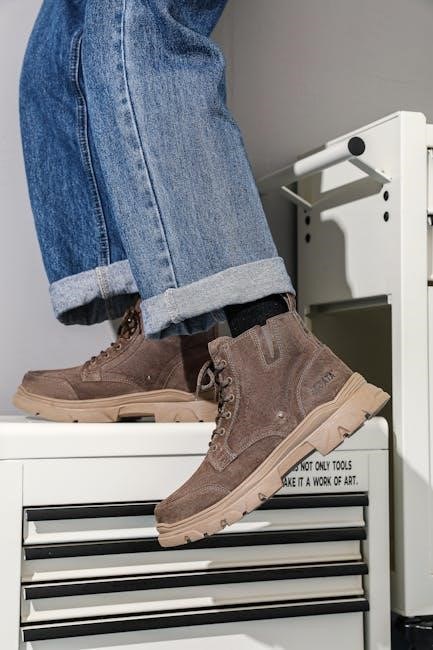
The role of socks is paramount; thicker socks increase foot volume and may require a wider boot․ Always measure your feet while wearing the socks you intend to use with the boots․ Consider sock material – wool or synthetic blends can affect fit differently than cotton․
Foot shape asymmetry is common; one foot may be slightly wider than the other․ Prioritize the fit for the wider foot and use inserts or adjustments for the narrower foot․ Regularly reassess your boot fit, as foot size and shape can change over time․
AAA, AA, A Widths ⸺ Less Common Options
AAA, AA, and A widths represent the narrowest fitting options for men’s boots, catering to individuals with exceptionally slender feet․ These sizes are considerably less prevalent than standard widths like D or E, requiring dedicated searching and potentially custom orders․
Finding boots in these narrow widths is often limited to specific brands specializing in narrow lasts or offering bespoke services․ Dress boots are more likely to be available in these narrower options compared to work or hiking boots․ Accurate measurement is crucial, as even a slight difference can lead to discomfort․
Individuals requiring these widths often experience difficulty finding off-the-shelf solutions, potentially necessitating alterations or seeking out specialized footwear retailers․ Consider the overall foot volume alongside width, as a narrow foot can also have low volume․
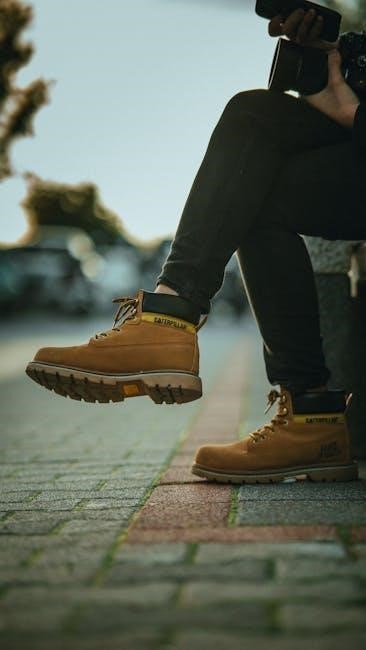
The Role of Socks in Boot Fit and Width
Socks significantly impact boot fit and perceived width; their thickness and material directly influence how a boot feels and performs․ Always measure your feet while wearing the socks you intend to use with the boots – hiking, work, or dress – to ensure accuracy․
Thicker socks naturally reduce the available space within the boot, potentially requiring a wider width for comfort; Conversely, thinner socks may necessitate a narrower fit to prevent slippage and maintain stability․ Moisture-wicking materials are crucial for preventing blisters and maintaining foot health․
Consider sock compression; compression socks can subtly alter foot volume and width․ Experiment with different sock combinations during the fitting process to determine the optimal balance between comfort and secure fit․ Don’t underestimate this factor – it’s a common source of boot fit issues․