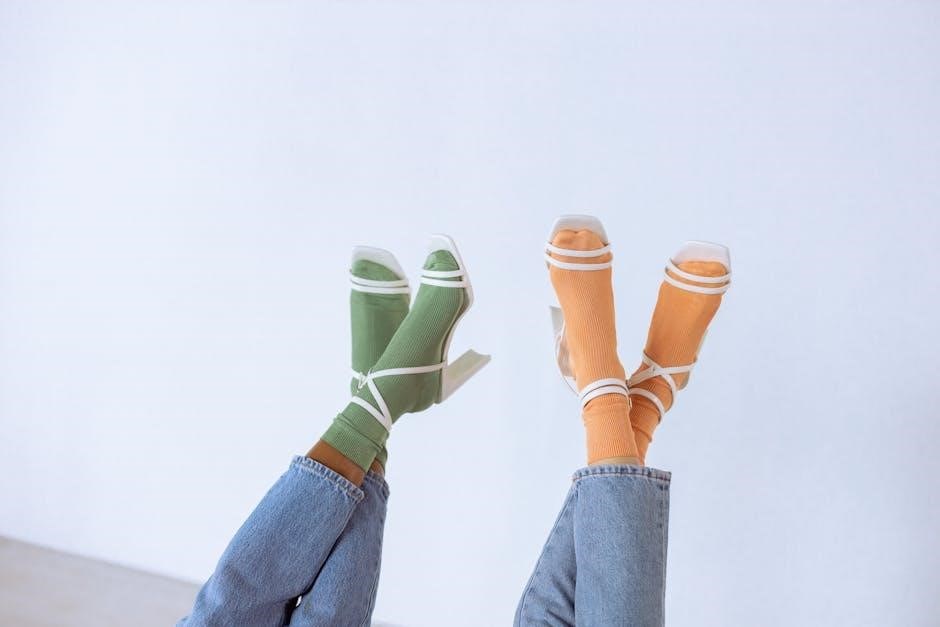
Socks Buying Guide: A Comprehensive Overview (Updated 02/16/2026)
Navigating the world of socks requires understanding materials like cotton, wool, synthetics, bamboo, and more, each offering unique benefits for comfort and performance;
The foundation of a great pair of socks lies in its material composition. Historically, cotton was a staple, prized for affordability and softness, but it struggles with moisture retention; Wool, particularly Merino wool, emerges as a superior choice, offering exceptional warmth, moisture-wicking capabilities, and natural odor resistance. Modern advancements introduce synthetic materials like polyester, nylon, and polypropylene, engineered for durability, performance, and efficient moisture management.
Increasingly, sustainable options like bamboo, modal, and lyocell gain popularity, providing comfort and eco-consciousness. These materials boast softness and drape, appealing to those seeking gentle wear. Often, sock manufacturers blend these fibers to leverage the strengths of each, creating socks tailored for specific activities and preferences. Understanding these core materials is crucial for selecting socks that meet your individual needs and lifestyle demands.
Understanding Sock Construction
Beyond materials, sock construction significantly impacts comfort and longevity. Key elements include cushioning levels, ranging from minimalist for a barely-there feel to maximum for enhanced impact absorption. Sock height – no-show, ankle, crew, and knee-high – dictates support and style preferences. A critical, often overlooked feature is the toe seam; seamless construction minimizes irritation and blister formation, while traditional seams can sometimes cause discomfort.
The density of the knit influences durability and warmth. Reinforced heels and toes extend sock lifespan, crucial for high-wear areas. Elasticity in the cuff ensures a secure fit without constriction. Considering these construction details, alongside material choices, allows for a truly informed purchase, guaranteeing socks that perform optimally and provide lasting comfort for various activities and daily wear.
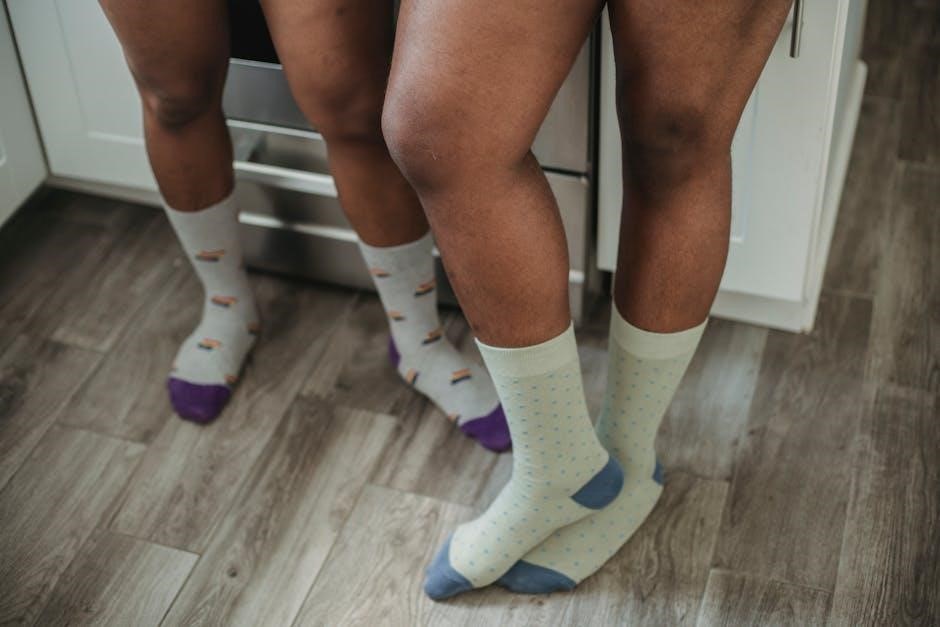
Common Sock Materials: Detailed Breakdown
Exploring diverse materials—cotton, wool, synthetics, bamboo, modal, and lyocell—reveals varying strengths in comfort, durability, moisture-wicking, and sustainability for optimal sock selection.
Cotton Socks: Pros and Cons
Cotton socks are a widely accessible and affordable option, favored for their softness and breathability, making them comfortable for everyday wear. However, cotton’s significant drawback lies in its moisture retention. Unlike materials like merino wool or synthetics, cotton absorbs sweat and holds onto it, leaving feet feeling damp and potentially leading to blisters, especially during physical activity.
While several pairs of cotton socks can be used if kept dry, they don’t perform as well as superior materials when exposed to moisture. This makes them less ideal for strenuous activities like hiking or running. Despite these limitations, cotton remains a popular choice for casual wear due to its low cost and comfortable feel, particularly in warmer climates where rapid drying isn’t as critical. They are best suited for low-intensity situations where moisture management isn’t a primary concern.
Wool Socks: The Classic Choice
Wool socks have long been celebrated as a superior material, particularly for colder climates and demanding activities. Their natural crimped fiber creates tiny air pockets, providing excellent insulation and keeping feet warm even when wet. Wool also possesses inherent moisture-wicking properties, absorbing a significant amount of moisture without feeling damp, crucial for preventing blisters and maintaining comfort.
However, not all wool is created equal. Traditional wool can sometimes be itchy and less durable. This is where merino wool steps in, offering a softer, finer fiber that eliminates the itchiness while retaining all the beneficial properties of traditional wool. When combined with nylon and Lycra Spandex, wool socks become exceptionally durable, maintaining their shape and fit even after extensive wear, making them a long-lasting investment.
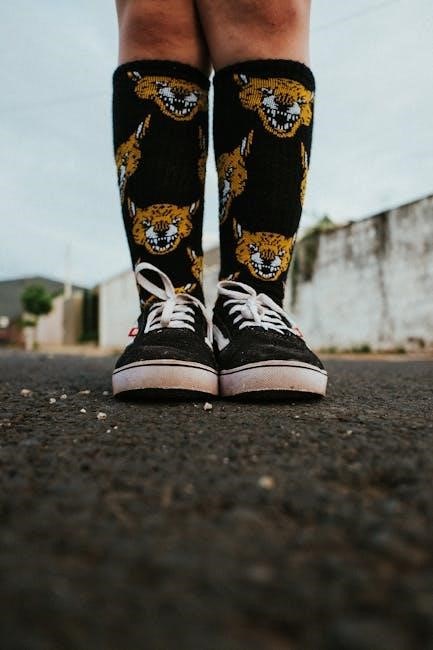
Merino Wool vs. Traditional Wool
The key difference between merino and traditional wool lies in the fiber diameter. Merino wool boasts significantly finer fibers, resulting in a much softer texture that eliminates the itchiness often associated with coarser traditional wool. This fineness also contributes to merino wool’s enhanced breathability and moisture-wicking capabilities, keeping feet drier and more comfortable.
While traditional wool provides excellent warmth and durability, merino wool offers a superior balance of comfort and performance. Both types share the natural benefits of wool – insulation, moisture absorption, and odor resistance – but merino’s softness makes it ideal for everyday wear and sensitive skin. Darn Tough considers merino wool a master strain of sock materials, especially when blended with nylon and Lycra Spandex for increased longevity and fit retention.
Synthetic Socks: Performance and Durability
Synthetic socks, crafted from materials like polyester, nylon, and spandex, are renowned for their exceptional durability and performance characteristics. Often blended with natural fibers, they enhance a sock’s lifespan and functionality. Polyester and nylon blends contribute to increased strength, abrasion resistance, and shape retention, making them suitable for high-impact activities.
Polypropylene stands out as a moisture-wicking champion, efficiently drawing sweat away from the skin to keep feet dry and prevent blisters. These materials don’t absorb water like natural fibers, ensuring comfort even when wet. Synthetic materials are frequently utilized to improve the overall performance of socks, offering a cost-effective alternative or complement to natural options, and are a staple in athletic sock construction.
Polyester and Nylon Blends
Polyester and nylon blends are frequently incorporated into sock construction to significantly enhance durability and overall performance. These synthetic fibers contribute to increased strength, resisting abrasion and wear, which is particularly beneficial for socks subjected to frequent use or strenuous activity. They also improve the sock’s ability to retain its shape, preventing stretching or sagging over time.
When combined with natural fibers like wool or cotton, polyester and nylon create a balanced sock offering both comfort and resilience. These blends are a cost-effective way to boost a sock’s lifespan and maintain its supportive qualities. They are commonly found in athletic and everyday wear socks, providing a practical solution for those seeking long-lasting comfort and performance.
Polypropylene: Moisture-Wicking Champion
Polypropylene stands out as a premier choice for moisture management in socks, effectively drawing sweat away from the skin. Unlike natural fibers that absorb moisture, polypropylene actively repels it, keeping feet drier and more comfortable, even during intense activity. This characteristic is crucial for blister prevention, as moisture buildup is a primary contributor to friction and skin irritation.
Its hydrophobic nature makes it ideal for high-performance socks, particularly those designed for running or hiking. Polypropylene’s lightweight and quick-drying properties further enhance its appeal, ensuring feet remain comfortable throughout extended wear. While it doesn’t offer the same level of softness as some natural fibers, its functional benefits make it a valuable component in many sock designs, prioritizing dryness and performance.
Bamboo Socks: Comfort and Sustainability
Bamboo socks are gaining popularity as a comfortable and eco-conscious alternative to traditional materials. They offer a unique blend of softness, breathability, and sustainability, appealing to consumers seeking both performance and environmental responsibility. Bamboo fibers are naturally round and smooth, resulting in a fabric that feels incredibly gentle against the skin, minimizing irritation and chafing.
Generally more expensive than cotton, bamboo provides a superior balance between comfort, performance, and sustainability. Its excellent moisture-wicking properties help keep feet dry, while its natural antibacterial qualities contribute to odor control. Bamboo is also a rapidly renewable resource, making it a more sustainable choice compared to some other fiber sources, aligning with eco-friendly values.
Modal and Viscose Socks: Softness and Drape
Modal and viscose socks are celebrated for their exceptional softness and luxurious drape, offering a silky-smooth feel against the skin. These semi-synthetic fibers, derived from wood pulp, create a fabric known for its delicate texture and comfortable wear. They possess a natural resistance to shrinking and fading, maintaining their quality even after repeated washes.
Often included in sock material ratios, modal and viscose contribute to a sock’s overall comfort and aesthetic appeal. They exhibit excellent color retention, allowing for vibrant and long-lasting designs. While not as durable as some other materials, their softness makes them ideal for everyday wear and those prioritizing a luxurious feel; They are frequently blended with other fibers to enhance their strength and performance.
Lyocell Socks: Eco-Friendly Alternative
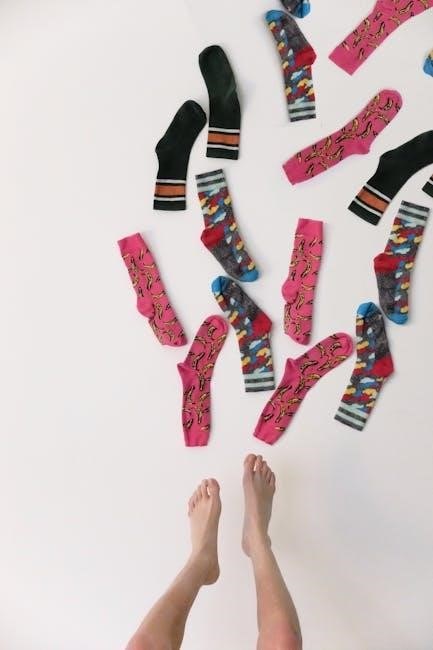
Lyocell socks represent a sustainable and increasingly popular choice for environmentally conscious consumers. Derived from wood pulp using a closed-loop solvent process, lyocell production minimizes waste and environmental impact, making it a truly eco-friendly fiber. These socks offer a remarkably soft and smooth texture, comparable to modal and viscose, providing exceptional comfort.
Lyocell boasts excellent moisture-wicking properties, keeping feet dry and comfortable throughout the day. It’s also known for its breathability and resistance to odor, enhancing overall foot health. Frequently blended with other materials like cotton or nylon to improve durability, lyocell socks offer a responsible alternative without sacrificing quality or performance. Choosing lyocell supports sustainable practices within the textile industry.
Sock Features to Consider
Beyond materials, crucial features include cushioning levels, appropriate sock height (no-show to knee-high), and the comfort of toe seam construction.
Cushioning Levels: From Minimalist to Maximum
Sock cushioning dramatically impacts comfort and performance, varying from barely-there minimalist designs to heavily padded options. Minimal cushioning prioritizes a close fit, ideal for warmer weather or performance activities where feel is paramount. These socks often feature a thinner profile, enhancing breathability and sensitivity.
Moderate cushioning strikes a balance, providing adequate impact absorption for everyday wear and light exercise. Maximum cushioning, conversely, offers substantial padding, particularly in the heel and ball of the foot, making them excellent for high-impact activities like hiking or running, and for individuals seeking extra comfort.
The choice depends on your activity level and personal preference; consider the demands placed on your feet and select a cushioning level that provides appropriate support and protection.
Sock Height: No-Show, Ankle, Crew, and Knee-High
Sock height is a crucial consideration, influencing both style and functionality. No-show socks, designed to be invisible within shoes, are popular for casual wear and warmer months, offering a minimalist aesthetic. Ankle socks provide a slightly more visible profile, offering a bit more coverage and protection.
Crew socks, a classic choice, reach mid-calf, providing substantial coverage and warmth, suitable for various activities and everyday wear. Knee-high socks extend to below the knee, offering maximum coverage and compression, often favored for sports or medical purposes.
The ideal height depends on your footwear and activity; consider the level of coverage and support needed, as well as the desired aesthetic.
Toe Seams: Seamless vs. Traditional
The construction of the toe seam significantly impacts comfort, particularly during prolonged wear or high-impact activities. Traditional socks often feature a noticeable seam where the toe is closed, which can cause irritation and blisters for some individuals. This is due to the friction created by the seam rubbing against the skin.
Seamless socks, also known as toe-less or hand-linked, eliminate this potential point of friction. They are constructed with a specialized technique that creates a flat, smooth toe closure, minimizing irritation and enhancing overall comfort.
For those prone to blisters or seeking maximum comfort, seamless socks are a worthwhile investment. However, traditional seams are often more durable and cost-effective.

Specialty Socks: For Specific Activities
Different pursuits demand specialized sock features; hiking needs durability, running prioritizes moisture-wicking, compression aids circulation, and dress socks blend style with comfort.
Hiking Socks: Durability and Support
For hikers, sock selection is paramount, directly impacting foot health and overall enjoyment on the trail. Durability is key, as hiking socks endure significant abrasion against boots and rugged terrain.
Merino wool blends are exceptionally popular, combining wool’s natural moisture-wicking and temperature regulation with nylon and lycra spandex for enhanced strength and elasticity. These blends create longer-lasting socks that maintain their shape and fit even after repeated use. Cushioning levels vary, with heavier cushioning providing more impact absorption for longer treks, while lighter cushioning offers a closer fit for day hikes.
Look for reinforced heel and toe areas to resist wear and tear. Proper fit is crucial to prevent blisters; socks should be snug but not constricting. Consider sock height based on boot height – crew socks are generally preferred for most hiking boots, offering adequate coverage and protection. Investing in quality hiking socks is a small price to pay for comfortable and blister-free adventures.
Running Socks: Moisture Management and Blister Prevention
Runners prioritize moisture management and blister prevention above all else. Sweat-soaked feet lead to friction, increasing the risk of painful blisters that can derail a run. Synthetic materials like polyester and polypropylene excel at wicking moisture away from the skin, keeping feet dry and comfortable.
Merino wool is also a strong contender, offering excellent moisture absorption and natural odor control. Seamless toe construction is vital to minimize irritation and rubbing. Many running socks feature targeted cushioning in high-impact areas, such as the heel and ball of the foot, for added comfort and shock absorption.
Proper fit is essential; socks should be snug without being too tight. Consider sock height based on your running style and preference. Experiment with different materials and features to find the perfect pair that keeps your feet dry, comfortable, and blister-free, allowing you to focus on your performance.
Compression Socks: Improved Circulation
Compression socks are designed to apply graduated pressure to the legs, promoting improved blood circulation and reducing swelling. This makes them popular among athletes, travelers, and individuals who spend long periods on their feet; The graduated compression is typically strongest at the ankle and gradually decreases towards the calf, aiding venous return.
Benefits include reduced muscle fatigue and soreness, faster recovery times, and potentially preventing conditions like deep vein thrombosis (DVT) during travel. Materials commonly used in compression socks include nylon, spandex, and polyester blends, offering both compression and breathability.
Compression levels vary, measured in mmHg (millimeters of mercury). Choosing the right level depends on your needs and activity level. Proper fit is crucial for effectiveness; socks should be snug but not constricting.
Dress Socks: Style and Comfort
Dress socks are essential for completing a polished, professional look, extending beyond mere functionality to become a statement of style. They are typically thinner than athletic socks and crafted from materials like cotton, merino wool, silk blends, or synthetic fibers, prioritizing both comfort and a refined appearance.
Color and pattern choices are key; classic options include navy, black, and gray, while bolder patterns can add personality. Sock height should correspond to trouser length – no-show for a more modern look, or crew length for traditional coverage.
Consider the occasion and footwear. Merino wool offers breathability and moisture-wicking, while finer materials like silk provide luxurious comfort. Quality construction and a reinforced heel and toe contribute to durability and longevity.
Caring for Your Socks
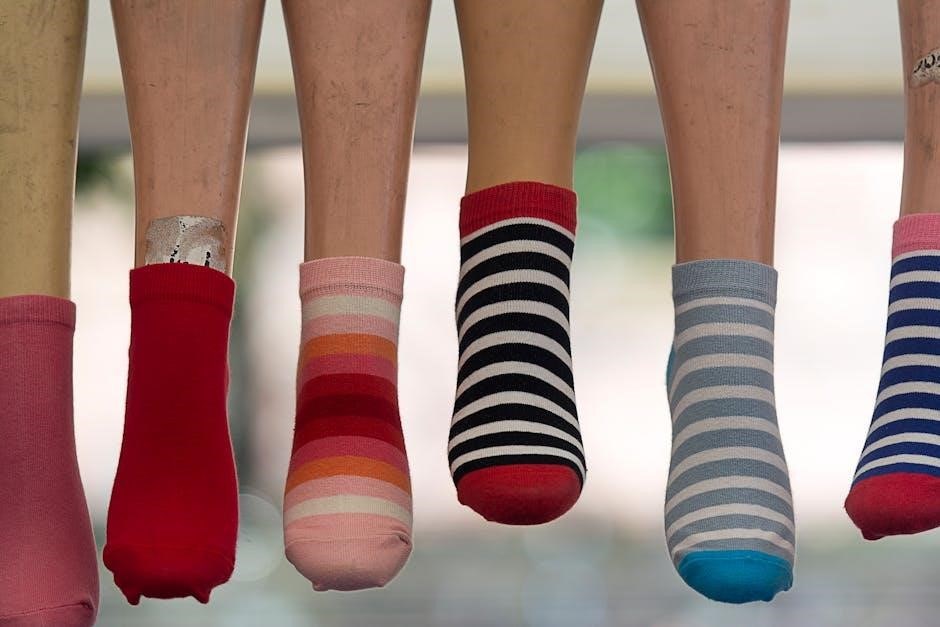
Proper washing and storage, tailored to each material, significantly extends sock lifespan and maintains their performance qualities, ensuring lasting comfort and value.
Washing Instructions by Material
Cotton socks generally benefit from machine washing in cool or warm water, and tumble drying on low heat; however, avoid excessive heat to prevent shrinkage. Wool socks, particularly Merino wool, require a gentler approach – hand washing or a delicate machine cycle with cold water and a wool-specific detergent is recommended, followed by air drying to maintain their shape and softness.
Synthetic socks, like those containing polyester or nylon, are typically durable and can withstand warmer water temperatures and moderate dryer settings. Polypropylene socks should be washed in cool water and air-dried, as heat can damage the fibers. Bamboo socks also do well in cool water with mild detergent, and benefit from air drying. For Modal and Viscose, a gentle cycle and cool water are best, avoiding the dryer altogether. Finally, Lyocell socks follow similar guidelines to bamboo, prioritizing cool water and air drying to preserve their eco-friendly qualities.
Extending Sock Lifespan
Rotating your socks is crucial; avoid wearing the same pair consecutively to allow fibers to recover their shape and elasticity. Always turn socks inside out before washing to minimize abrasion during the laundry cycle, preserving the cushioning and color. Using a mesh laundry bag further protects delicate materials like Merino wool and bamboo.
Avoid harsh detergents and bleach, opting for mild, color-safe options instead. Air drying is generally preferable to machine drying, especially for natural fibers, as heat can break down elastic and cause shrinkage. When storing, avoid tightly packing socks, allowing for some airflow. Repairing small holes promptly prevents them from escalating into larger issues. Investing in quality socks, like those with nylon reinforcement, initially, also contributes to long-term durability and value.