Canyon Guide: An Exploration of Slot Canyons
Slot canyons‚ sculpted by water and wind over millennia‚ offer breathtaking beauty and unique geological formations․ These narrow passages‚ like Hasdeztwazi‚ provide unforgettable adventures․
What are Slot Canyons?
Slot canyons are long‚ narrow canyons with sheer walls‚ formed by the erosive power of water cutting through rock over extended periods․ Unlike wide‚ open canyons‚ slot canyons are often incredibly deep and winding‚ sometimes only a few feet wide at their narrowest points․ They are typically found in arid or semi-arid regions where rainfall is infrequent but can be intense․
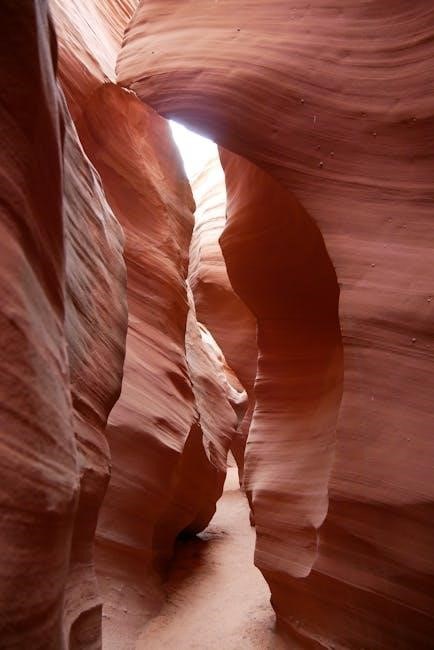
These geological wonders‚ such as Lower Antelope Canyon – known as Hasdeztwazi (“Spiral Rock Arches”) in Navajo – are celebrated for their unique and dramatic beauty․ Sunlight filtering through the narrow openings creates stunning displays of light and shadow‚ transforming the canyon walls into a constantly shifting canvas of color․ Their formation is a testament to the relentless forces of nature‚ offering a glimpse into Earth’s geological history․
Exploring slot canyons is an adventure‚ requiring respect for the environment and an understanding of potential hazards like flash floods․
Formation of Slot Canyons
Slot canyons aren’t formed overnight; their creation is a lengthy process spanning millions of years․ It begins with the uplift of relatively flat sedimentary rock layers – sandstone being particularly susceptible․ Then‚ water‚ often from infrequent but powerful rainfall events‚ begins to carve into these layers․
Over time‚ this water erosion widens and deepens cracks and fissures in the rock․ The abrasive action of sand and sediment carried by the water further accelerates the process․ Lower Antelope Canyon‚ for example‚ owes its stunning textures and shapes to this relentless water and wind erosion․ The canyon’s formation continues even today‚ albeit at a very slow pace․
The unique narrow shape results from the rock’s resistance to weathering and the concentrated force of water flowing through specific pathways․ This creates the dramatic‚ winding corridors we see today․
Geological Processes Involved
Several key geological processes contribute to the formation and evolution of slot canyons․ Water erosion‚ as previously mentioned‚ is paramount‚ acting as the primary sculpting force․ However‚ flash floods play a crucial role‚ rapidly transporting large volumes of water and sediment‚ dramatically reshaping the canyon walls․
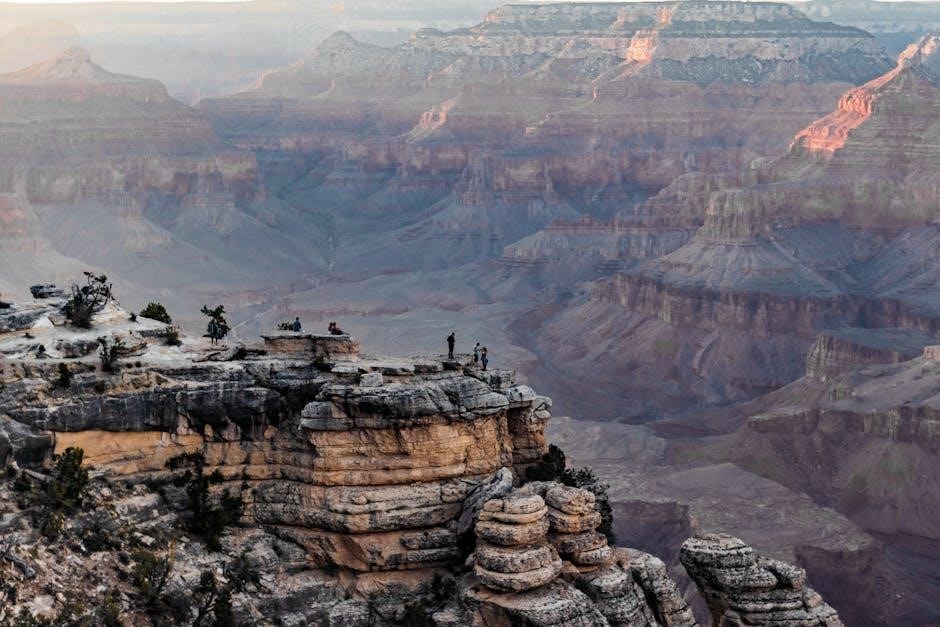
Wind erosion‚ while slower‚ also contributes by abrading the rock surfaces and carrying away loosened particles․ The specific type of sedimentary rock – often sandstone – influences the canyon’s characteristics; its composition and layering dictate how easily it’s eroded․
Furthermore‚ chemical weathering‚ where minerals within the rock dissolve or alter‚ weakens the rock structure over time․ Lower Antelope Canyon‚ known locally as Hasdeztwazi‚ exemplifies these processes‚ showcasing the stunning interplay of these forces over millennia‚ creating its unique spiral rock arches․
Popular Canyon Destinations
Iconic canyons beckon adventurers worldwide‚ offering diverse experiences․ Lower and Upper Antelope Canyon‚ alongside the majestic Grand Canyon‚ stand as prime examples of natural artistry․
Lower Antelope Canyon
Lower Antelope Canyon‚ known to the Navajo as Hasdeztwazi (“Spiral Rock Arches”)‚ is a stunning slot canyon formed over millions of years through water and wind erosion․ Its mesmerizing views and unique textures attract photographers and tourists globally․ Access is primarily through guided tours‚ with Ken’s Tours being a leading operator located directly at the canyon entrance‚ offering unmatched convenience and insight․
Exploring Lower Antelope Canyon provides an intimate experience‚ enriched by historical and cultural narratives shared by Navajo guides․ The interplay of light and shadow creates breathtaking displays as sunlight filters through the narrow openings‚ transforming the canyon walls into a vibrant spectacle․ It’s a truly unforgettable adventure into the heart of Navajo Nation’s geological masterpiece․
Ken’s Tours and Access
Ken’s Tours stands as the premier operator for exploring Lower Antelope Canyon‚ renowned for its Navajo-led tours and exceptional access․ Strategically located right at the canyon entrance‚ they offer an unmatched convenience‚ eliminating lengthy travel times often associated with other tour companies․ They aim to provide a personal and intimate experience‚ sharing historical insights and stories about Hasdeztwazi․
Various tour options cater to different adventure styles and schedules‚ ensuring a suitable experience for every visitor․ Booking in advance is highly recommended‚ especially during peak seasons‚ to secure a spot․ Ken’s Tours prioritizes responsible tourism‚ respecting the Navajo Nation’s cultural heritage and the delicate canyon environment․ Their knowledgeable guides enhance the experience‚ making it both educational and visually stunning․
Photography Opportunities in Lower Antelope Canyon
Lower Antelope Canyon is a photographer’s paradise‚ famed for its mesmerizing interplay of light and shadow on sculpted sandstone walls․ Sunlight filtering through the narrow openings creates dynamic beams and vibrant colors‚ transforming the canyon into an ever-changing canvas․ The canyon’s textures and shapes‚ formed over millions of years‚ offer endless compositional possibilities․
Photographers of all levels will find captivating subjects‚ from sweeping vistas to intimate details․ A wide-angle lens is recommended to capture the canyon’s grandeur‚ while a tripod is essential for sharp images in low light․ Be prepared for dust and potential crowds‚ and respect other photographers’ space․ Capturing the essence of Hasdeztwazi requires patience and an appreciation for the canyon’s natural beauty‚ resulting in truly unforgettable images․
Navajo History and Significance (Hasdeztwazi)
Lower Antelope Canyon‚ known to the Navajo people as Hasdeztwazi‚ meaning “spiral rock arches‚” holds deep cultural and spiritual significance․ For generations‚ the Navajo have revered this canyon‚ incorporating it into their traditions and stories․ The canyon wasn’t always open to tourism; access was traditionally restricted‚ reflecting its sacred nature․
Today‚ tours are led by Navajo guides‚ providing visitors with invaluable insights into the canyon’s history‚ geology‚ and cultural importance․ Supporting Navajo-led tours directly benefits the local community and helps preserve their heritage․ Understanding the canyon’s Navajo name and its meaning fosters a deeper appreciation for the land and its people․ Exploring Hasdeztwazi is not just a visual experience‚ but a journey into the heart of Navajo culture and history․
Upper Antelope Canyon
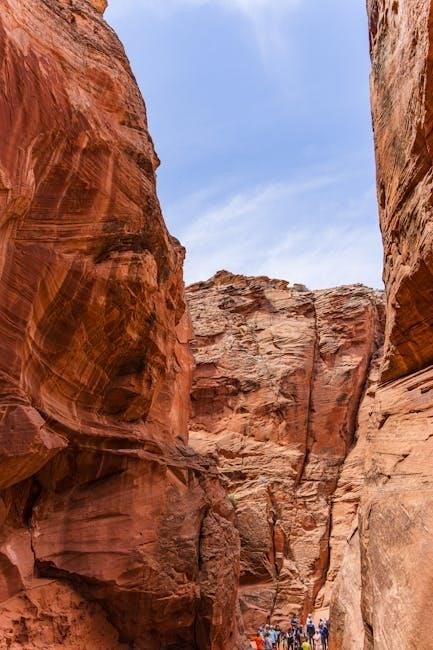
Upper Antelope Canyon‚ unlike its Lower counterpart‚ is primarily accessed via guided tours due to its location on Navajo land and the potential for flash floods․ This canyon is renowned for the spectacular light beams that descend from the openings above‚ creating an ethereal and highly sought-after photographic experience․
The canyon floor is relatively flat‚ making it more accessible than Lower Antelope Canyon‚ but still requires navigating sandy terrain․ Tour operators carefully manage visitor flow to preserve the canyon’s delicate environment and ensure a safe experience․ The interplay of light and shadow within Upper Antelope Canyon is constantly changing‚ offering unique photographic opportunities throughout the day․ Planning your visit around optimal viewing times is crucial for capturing the iconic light beams․
Light Beams and Optimal Viewing Times
Upper Antelope Canyon is world-famous for its dramatic light beams‚ shafts of sunlight that penetrate the narrow slot canyon‚ creating a mesmerizing spectacle․ These beams are most prominent during the midday hours‚ typically between 11:00 AM and 1:30 PM‚ particularly during the spring and summer months․
However‚ achieving the perfect shot requires careful planning and a bit of luck‚ as cloud cover can significantly impact beam visibility․ Tour operators are knowledgeable about current conditions and can advise on the best times to visit․ The intensity and angle of the light beams change throughout the day‚ offering diverse photographic opportunities․ Even without direct beams‚ the canyon walls exhibit a stunning interplay of colors and shadows‚ making any time a worthwhile experience․
Accessibility and Tour Options
Upper Antelope Canyon is exclusively accessible through guided tours‚ as independent exploration is prohibited․ Several Navajo-owned tour operators offer a range of options to suit different preferences and budgets․ Standard tours typically last around 90 minutes and involve walking on a sandy floor‚ sometimes with stairs or ladders․
Photographer tours are also available‚ providing more time and space for capturing the canyon’s beauty․ These tours often allow tripods‚ which are generally not permitted on standard tours․ Booking in advance is highly recommended‚ especially during peak season‚ as tours fill up quickly․ It’s crucial to choose a reputable operator committed to responsible tourism and respecting Navajo Nation guidelines․ Consider the physical demands of the tour and wear appropriate footwear․
Grand Canyon
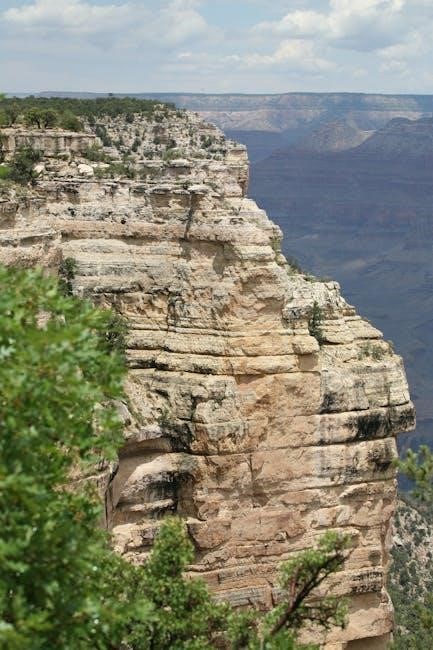
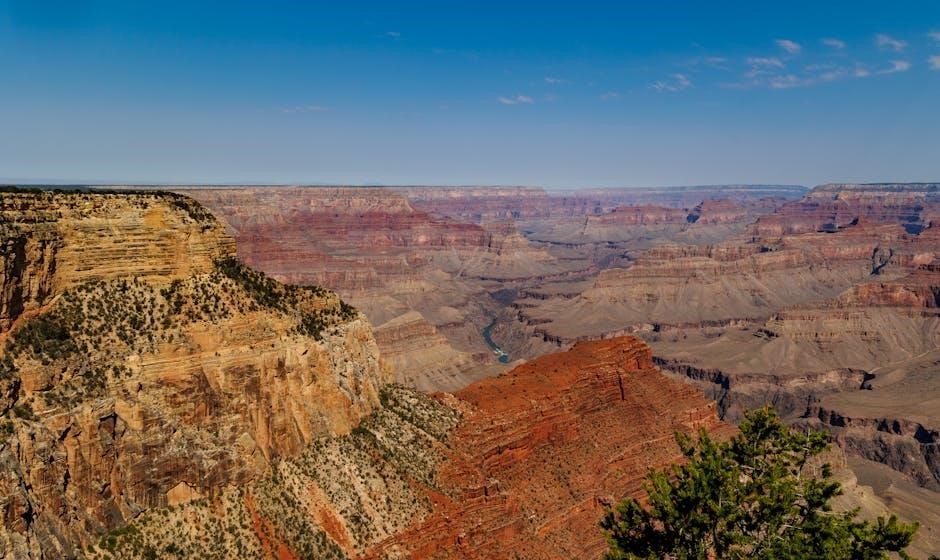
The Grand Canyon‚ a colossal natural wonder‚ presents canyon exploration on a vastly different scale than slot canyons․ Opportunities range from leisurely rim trails offering panoramic views to strenuous inner canyon hikes demanding significant preparation and permits․
Inner canyon hiking requires advanced planning‚ physical fitness‚ and a thorough understanding of the risks‚ including extreme temperatures and limited water sources․ Permits are essential for overnight backpacking trips and are often obtained through a lottery system․ For those preferring less demanding experiences‚ the South Rim and North Rim boast numerous scenic overlooks accessible by car or shuttle․ These viewpoints provide breathtaking vistas and opportunities for photography․ The Grand Canyon’s sheer size and diverse ecosystems offer a truly immersive canyon experience․
Inner Canyon Hiking and Permits
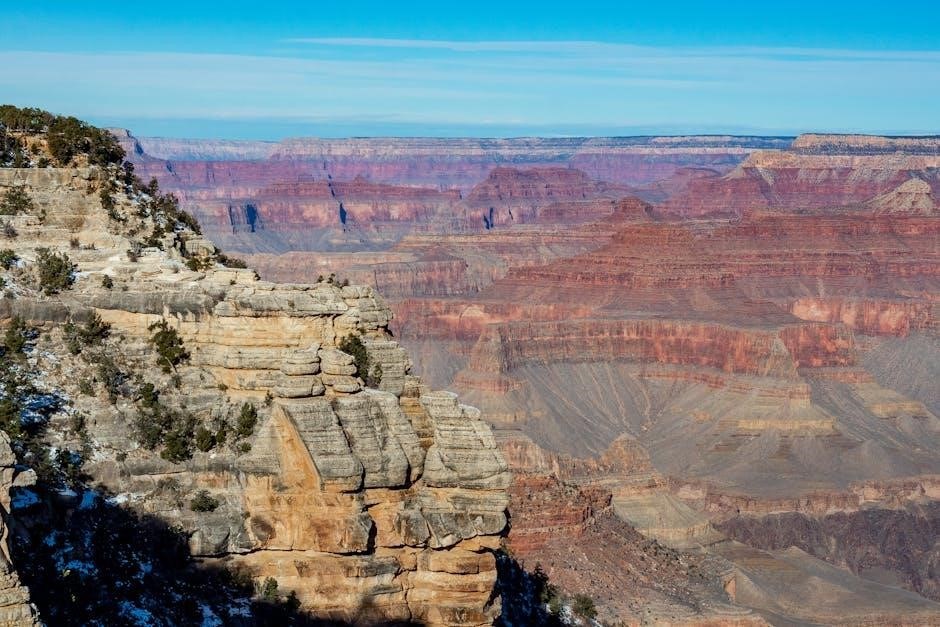
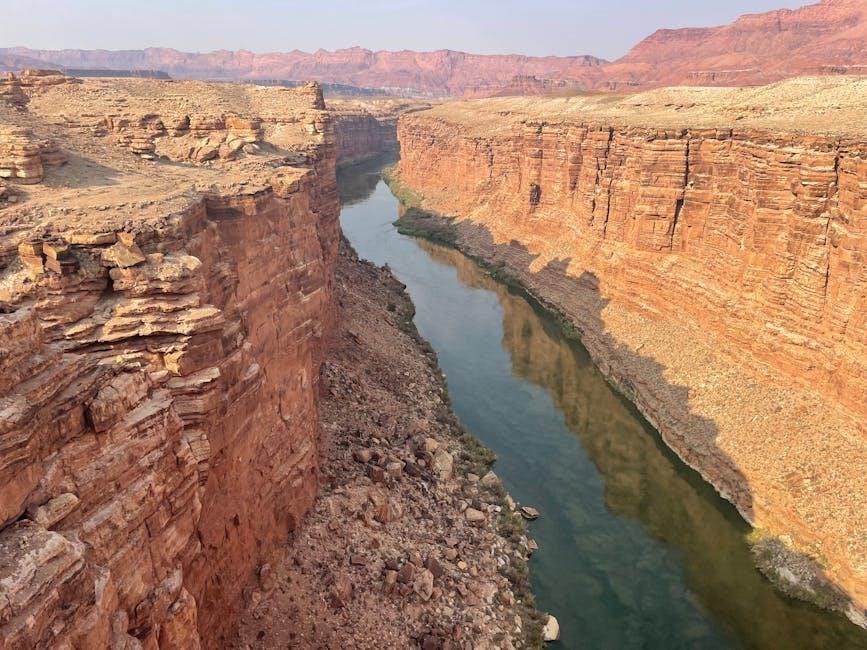
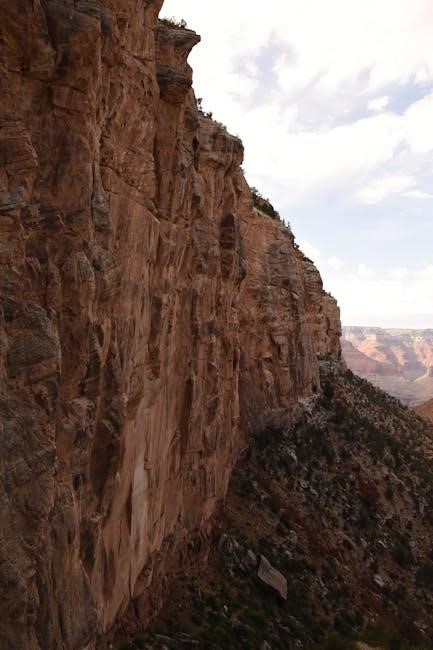
Venturing into the Grand Canyon’s inner canyon is a challenging but rewarding experience‚ demanding meticulous planning and preparation․ Hiking below the rim exposes adventurers to extreme temperature fluctuations‚ scarce water sources‚ and strenuous climbs․ Permits are absolutely crucial for overnight backpacking trips‚ and securing them can be competitive․
The National Park Service utilizes a lottery system for many popular trails‚ requiring applications well in advance․ Day hiking is possible on some trails without a permit‚ but hikers must be prepared for a long and arduous day․ Proper gear‚ including ample water‚ sun protection‚ and sturdy hiking boots‚ is non-negotiable․ Understanding elevation changes and potential hazards is vital for a safe and enjoyable inner canyon adventure․ Always check the park’s website for current conditions and permit requirements․
Rim Trails and Scenic Overlooks
The Grand Canyon’s rim offers accessible and breathtaking views for visitors of all abilities․ Paved trails‚ like the South Rim Trail‚ wind along the canyon’s edge‚ providing stunning vistas and opportunities for leisurely walks․ These trails are generally flat and well-maintained‚ making them suitable for families and those with limited mobility;
Numerous scenic overlooks‚ such as Mather Point and Yavapai Point‚ offer panoramic perspectives of the canyon’s vastness․ These viewpoints are easily accessible by car or shuttle bus‚ and often feature interpretive exhibits detailing the canyon’s geology and history․ Sunrise and sunset are particularly spectacular times to visit the rim‚ as the changing light dramatically alters the canyon’s colors and shadows․ Remember to practice caution near the edge and stay on designated trails for your safety․
Canyon Safety and Preparation
Prioritize safety when exploring canyons․ Be aware of flash flood risks‚ carry essential gear‚ understand terrain challenges‚ and respect Navajo Nation guidelines for a secure visit․
Weather Considerations and Flash Flood Risks
Canyon exploration demands meticulous weather awareness․ Even clear skies miles away can trigger sudden‚ violent flash floods within slot canyons․ Water runoff from distant storms concentrates rapidly in these narrow spaces‚ creating dangerous surges․ Always check the local weather forecast before entering a canyon‚ and be prepared to postpone your trip if there’s any chance of rain in the surrounding areas․
Understand that flash floods aren’t just about heavy rainfall; they can occur with minimal precipitation․ Monitor the sky for developing clouds and be vigilant for rising water levels or changes in stream flow․ Never enter a canyon if there’s a threat of flooding․ Knowing escape routes and having a communication device are crucial․ Remember‚ canyons offer little to no warning‚ and the power of moving water is immense․
Essential Gear for Canyon Exploration
Preparing for a canyon adventure requires specific gear for safety and comfort․ Sturdy‚ closed-toe hiking boots with excellent ankle support are paramount for navigating uneven terrain․ Moisture-wicking clothing is crucial‚ as canyons can be surprisingly humid․ A well-stocked backpack should include ample water (hydration is key!)‚ high-energy snacks‚ a first-aid kit‚ and a headlamp or flashlight with extra batteries – even for daytime exploration․
Consider bringing a whistle for signaling in emergencies and a map and compass (or GPS device) for navigation․ Sun protection‚ including a hat‚ sunglasses‚ and sunscreen‚ is vital․ For photography enthusiasts‚ protecting your equipment from dust and potential water splashes is essential․ Finally‚ a small‚ waterproof bag for valuables and electronics is highly recommended․ Proper preparation enhances both enjoyment and safety․
Navigating Canyon Terrain
Slot canyons present unique navigational challenges․ The terrain is often uneven‚ with steep inclines‚ narrow passages‚ and potentially slippery surfaces due to sand or water․ Careful footing and slow‚ deliberate movements are essential․ Be aware of your surroundings and anticipate changes in elevation and passage width․
Pay close attention to any guidance provided by tour operators‚ as they possess intimate knowledge of the canyon’s intricacies․ Avoid attempting to climb or maneuver through sections that feel unstable or dangerous․ Remember that canyons can quickly become disorienting; maintain visual contact with your group and utilize landmarks when possible․ Respect the natural formations and avoid altering the environment․ Understanding the terrain is key to a safe and enjoyable experience․
Respecting the Environment and Navajo Nation Guidelines
Visiting slot canyons‚ particularly those within the Navajo Nation‚ requires deep respect for both the environment and cultural heritage․ Lower Antelope Canyon‚ known as Hasdeztwazi‚ is a sacred site․ Adhere strictly to all Navajo Nation guidelines and tour operator instructions․
Leave No Trace principles are paramount․ Pack out everything you pack in‚ and avoid touching the canyon walls‚ as oils from your skin can damage the delicate sandstone․ Photography is permitted‚ but drones are generally prohibited․ Be mindful of noise levels to preserve the tranquility of the canyon․ Support local Navajo-led tour operators like Ken’s Tours‚ contributing directly to the community and ensuring sustainable tourism practices․ Respectful behavior ensures these natural wonders remain pristine for future generations․