
IS300 Manual Transmission Swap: A Comprehensive Guide
Embarking on an IS300 manual transmission swap unlocks a more engaging driving experience, leveraging resources like Curran’s guide and GR’s Joel for seamless execution.
The IS300 manual transmission swap is a popular modification for enthusiasts seeking a more connected and driver-focused experience. Originally offered exclusively with an automatic transmission in many markets, converting to a manual gearbox requires dedication and planning. This guide details the process, drawing upon established resources like Curran’s comprehensive documentation and the expertise of Joel at Garage Racing (GR).
Successfully navigating this swap involves careful consideration of parts sourcing, wiring modifications – particularly addressing the neutral safety switch and cruise control – and potential ECU adjustments to avoid CELs. The goal is a reliable, instant-power upgrade utilizing the factory automatic ECU, eliminating the need for aftermarket solutions.
Why Swap to a Manual Transmission?
The primary motivation for an IS300 manual swap is enhanced driver engagement. Many enthusiasts prefer the direct control and responsiveness a manual transmission offers over the automatic. This modification transforms the driving experience, providing a more visceral connection to the vehicle. Beyond feel, a manual swap can unlock potential performance gains, allowing for more precise gear selection and control during spirited driving or track use.
Furthermore, eliminating the torque converter losses inherent in an automatic transmission can contribute to a slight power increase, delivering that “instant power” feel often sought after by IS300 owners.
Transmission Options
When considering an IS300 manual swap, two primary transmission choices emerge: the JZW30 Toyota Aristo transmission and the factory IS300 manual transmission. The Aristo transmission is a popular choice due to its robust construction and readily available gear ratios, often favored for higher-horsepower builds. However, sourcing and potential modification for fitment are considerations.
Alternatively, utilizing a factory IS300 manual transmission simplifies the swap process, offering a direct fit with fewer modifications. Both options require careful evaluation based on budget, intended use, and desired performance characteristics.
JZW30 Toyota Aristo Transmission
The JZW30 Toyota Aristo transmission presents a compelling option for IS300 manual swaps, particularly for those pursuing significant power upgrades. Known for its durability and favorable gear ratios, it can handle substantial horsepower. However, it’s not a direct bolt-on solution.
Modifications are typically required for the driveshaft and potentially the transmission mount. Sourcing can also be more complex than the IS300 factory manual. Despite these challenges, the Aristo transmission’s strength and performance potential make it a favored choice among enthusiasts aiming for a high-performance build.
IS300 Manual Transmission (Factory)
Utilizing the factory IS300 manual transmission offers a more straightforward swap process, as it’s a direct fit for the chassis. This eliminates the need for extensive modifications to the driveshaft or transmission mount, simplifying the installation. Sourcing a used unit requires diligent searching, ensuring it’s in good working condition.
While robust enough for moderate power levels, the factory transmission may have limitations when subjected to extreme horsepower. It remains a popular and cost-effective choice for enthusiasts prioritizing ease of installation and maintaining a largely stock feel.
Parts Required for the Swap
A successful IS300 manual swap demands a comprehensive parts list beyond just the transmission itself. Essential components include a compatible clutch kit and flywheel, ensuring proper engagement and performance. The shifter assembly and linkage are crucial for precise gear changes, alongside a clutch master cylinder and line for hydraulic operation.
Don’t overlook the clutch pedal assembly, vital for driver input. Modifications to the driveshaft are often necessary, and wiring for the neutral safety switch and cruise control clutch switch are critical for ECU compatibility.
Transmission Itself
Selecting the right transmission is paramount for a successful IS300 manual swap. Options include the JZW30 Toyota Aristo transmission, known for its robust construction and gear ratios, or sourcing a factory IS300 manual transmission; The Aristo transmission often requires adapter plates and modifications, while the IS300 unit offers a more direct fit.
Consider your power goals and driving style when choosing. Joel at GR can provide expert guidance on compatibility and necessary supporting modifications, ensuring a reliable and enjoyable driving experience post-swap.
Clutch Kit
A high-quality clutch kit is essential for handling the increased power and demands of a manual transmission. Consider your engine’s output; a stock clutch may suffice for mild modifications, but a performance clutch is crucial for boosted applications. Options range from organic to ceramic discs, each offering different levels of grip and pedal feel.
Ensure the kit includes a pressure plate, disc, and throw-out bearing. Joel at GR can recommend a suitable clutch kit based on your specific setup, guaranteeing optimal performance and longevity.
Flywheel
The flywheel is a critical component, directly impacting clutch engagement and engine responsiveness. When swapping to a manual transmission, you’ll need a flywheel designed for it, as the automatic flywheel is incompatible. Lightweight flywheels reduce rotational mass, improving acceleration and throttle response, but can make the engine slightly more prone to stalling.
Dual-mass flywheels offer smoother operation and reduced NVH (noise, vibration, and harshness), but are heavier. Joel at GR can advise on the best flywheel choice for your driving style and power goals, ensuring a balanced performance upgrade.
Shifter Assembly & Linkage
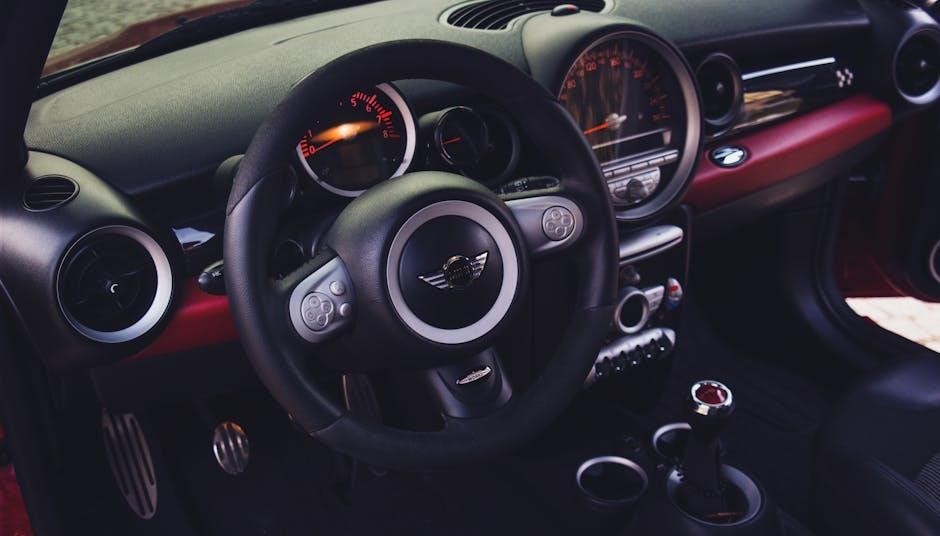
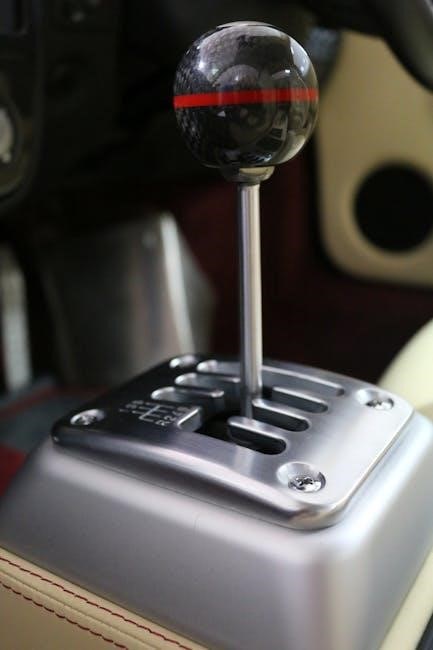
A complete shifter assembly and linkage are essential for a functional manual swap. This includes the shifter itself, the shift knob, and all connecting rods and bushings. Ensuring precise and smooth shifting is paramount for an enjoyable driving experience. Inspect all linkage components for wear and replace as needed to eliminate slop.
Consider aftermarket short-throw shifters for a more direct feel. Proper adjustment of the linkage is crucial; Joel at GR possesses expertise in achieving optimal shifter positioning and travel, guaranteeing accurate gear selection.
Clutch Master Cylinder & Line
The clutch master cylinder and line are vital hydraulic components for engaging and disengaging the clutch. A new master cylinder is highly recommended to prevent leaks and ensure consistent performance. Braided stainless steel clutch lines improve pedal feel by minimizing expansion under pressure, offering a firmer, more responsive clutch engagement.
Proper bleeding of the clutch line is critical to remove air bubbles, guaranteeing smooth operation. Joel at GR can advise on appropriate master cylinder sizing and line routing for optimal performance and reliability during your IS300 manual swap.
Clutch Pedal Assembly
Sourcing a complete clutch pedal assembly is essential for a successful IS300 manual swap. This includes the pedal itself, along with the necessary brackets and mounting hardware. Careful installation is crucial, ensuring proper alignment and secure attachment to the vehicle’s floorboard.

Wiring modifications are required, specifically rerouting wires 6 and 9 to the clutch pedal for the neutral safety switch. Additionally, connecting wire B13 from the ECU to the cruise control clutch switch (pin 1A in the driver’s side fuse box) is vital, as detailed in Curran’s guide.
Wiring Considerations & ECU Modifications
Successful IS300 manual swaps heavily rely on meticulous wiring and potential ECU adjustments. The neutral safety switch requires rerouting wires 6 and 9 to the clutch pedal, ensuring the car recognizes gear selection. Crucially, the cruise control clutch switch needs connection to wire B13 from the ECU, then to fuse box pin 1A.
This wiring configuration tricks the ECU into believing the transmission is in drive when the clutch isn’t depressed, enabling functionality with the original automatic ECU – a significant advantage, eliminating the need for aftermarket solutions.
Neutral Safety Switch Wiring
Proper neutral safety switch wiring is paramount for a functional IS300 manual swap. This involves a specific rerouting of existing wires to integrate with the clutch pedal assembly. Specifically, wires 6 and 9 must be carefully disconnected from their original location and reconnected to the newly installed clutch pedal’s neutral safety switch.
Using part number 90980-10825 ensures compatibility. This modification allows the vehicle to recognize when the transmission is in a neutral position, preventing starting issues and ensuring safe operation. Accurate connection is vital for a seamless swap.
Cruise Control Clutch Switch Wiring
Integrating the cruise control clutch switch is crucial for maintaining functionality during the IS300 manual swap. This requires cutting wire B13 from the ECU and connecting it to the cruise control clutch switch, then linking it to the driver-side fuse box harness at pin 1A, position 4.
Utilizing part number 90980-10906 ensures correct operation. This setup tricks the ECU into believing the transmission is in drive when the clutch isn’t depressed, allowing cruise control to function normally. Precise wiring is essential for a trouble-free experience.
Utilizing the Automatic ECU
Surprisingly, retaining the automatic ECU is viable during an IS300 manual swap, eliminating the need for a costly standalone unit. This approach, detailed in resources like Curran’s guide, requires specific wiring modifications to simulate automatic transmission signals.
Specifically, rerouting wires 6 and 9 to the clutch pedal’s neutral safety switch is key. This configuration effectively convinces the ECU that the transmission is in drive when the clutch is released, enabling seamless operation and avoiding CELs.
Driveshaft Modifications
The driveshaft requires careful attention during an IS300 manual swap, as the manual transmission has a different output flange than the automatic. Simply put, the existing automatic driveshaft will not bolt directly onto the manual transmission.
Typically, driveshaft shortening or replacement is necessary to ensure proper fitment and driveline angles. Joel at Garage Racing (GR) is a valuable resource for determining the correct driveshaft length and any required modifications. Ensuring correct length prevents vibrations and optimizes performance.
Pedal Assembly Installation
Installing the manual transmission clutch pedal assembly is a crucial step in the IS300 swap. This involves removing the automatic brake pedal and installing the complete manual pedal set, including the clutch pedal itself.
Proper alignment and secure mounting are essential for smooth clutch operation. Wiring for the neutral safety switch and cruise control clutch switch (part numbers 90980-10825 & 90980-10906) must be addressed concurrently, following Curran’s guide for correct connections to the ECU and fuse box.
Transmission Installation Process
The transmission installation requires careful alignment and secure mounting to the engine. Support the transmission with a jack during this process, ensuring proper positioning before bolting it in place. Double-check all mounting points for tightness.
Prior to full installation, verify the driveshaft compatibility and prepare for potential modifications. Remember to disconnect the automatic transmission wiring harness and prepare for the manual transmission wiring integration, referencing resources like Curran’s guide for accurate connections. Joel at GR can offer expert advice.
Clutch Installation & Adjustment
Proper clutch installation is crucial for smooth engagement and longevity. Begin by carefully aligning the clutch disc with the pilot bearing and flywheel. Secure the pressure plate evenly, following the manufacturer’s torque specifications. Incorrect torque can lead to slippage or premature wear.
After installation, adjust the clutch pedal free play according to the service manual. Precise adjustment ensures complete clutch disengagement and prevents dragging. Consult with experts like Joel at GR for optimal settings and troubleshooting if needed, ensuring a reliable driving experience.
Shifter Linkage Setup
Accurate shifter linkage setup is vital for precise gear selection. Carefully install the shifter assembly, ensuring all bushings are properly seated to minimize slop. Connect the linkage rods, paying close attention to alignment and adjustment points. Improper linkage can result in missed shifts or a vague feel.
Fine-tune the linkage to achieve smooth, direct engagement in each gear. Resources like Curran’s guide offer detailed instructions. Seeking guidance from GR’s Joel can help optimize the setup for your specific preferences, enhancing the driving experience.
Wiring Harness Integration
Successful wiring integration is crucial for a CEL-free manual swap. Reroute wires 6 and 9 from the automatic transmission harness to the clutch pedal’s neutral safety switch (part number 90980-10825). Connect wire 13 from the ECU to the cruise control clutch switch, then to the driver-side fuse box harness, pin 1A-4 (part number 90980-10906).
This configuration tricks the ECU into believing the transmission is in drive when the clutch isn’t depressed. Following Curran’s guide and consulting GR’s Joel ensures proper connections, avoiding common wiring pitfalls.
ECU Programming & Calibration
While a manual swap can often function with the automatic ECU, proper wiring—specifically the neutral safety and cruise control clutch switch connections—is paramount. This setup effectively convinces the ECU the transmission remains in drive when the clutch pedal is released, preventing CELs.
However, for optimal performance and to eliminate any potential driveability issues, professional ECU calibration is recommended. Experts like Joel at GR can fine-tune parameters for the manual transmission, maximizing power and responsiveness.
Addressing Potential Issues
During the IS300 manual swap, anticipate potential installation hurdles, such as clutch alignment or shifter linkage adjustments. Mismatched wiring, particularly concerning the neutral safety and cruise control switches, frequently triggers CELs. Thoroughly review wiring diagrams and double-check connections.
Troubleshooting CELs often involves verifying the correct operation of these switches and ensuring the ECU receives the expected signals. Consulting forums and experts like Joel at GR can provide targeted solutions for specific error codes encountered during the swap.
Common Problems During Installation
IS300 manual swap installations often encounter clutch alignment difficulties, leading to difficulty engaging gears. Shifter linkage adjustments can prove finicky, requiring precise calibration for smooth operation. Wiring issues, specifically with the neutral safety switch and cruise control clutch switch, are prevalent, causing frustrating CELs.
Driveshaft fitment can also present challenges, sometimes necessitating modifications. Ensuring proper ECU communication post-swap is crucial; failures here often stem from incorrect wiring or incomplete calibrations. Patience and meticulous attention to detail are key to overcoming these hurdles.
Troubleshooting CELs (Check Engine Lights)
Post-IS300 manual swap, CELs frequently arise from incomplete wiring integration, particularly concerning the neutral safety switch and cruise control clutch switch connections. Incorrectly routed or connected wires can trigger transmission-related codes. Utilizing the automatic ECU requires careful attention to these circuits.
Verify wiring against Curran’s guide and double-check connections. Scan for specific codes to pinpoint the issue. Resetting the ECU after corrections is vital. If problems persist, consult GR (Garage Racing) and Joel for expert diagnosis and potential ECU calibration adjustments.
Resources and Support
Successfully navigating an IS300 manual swap relies heavily on community knowledge and expert guidance; Curran’s comprehensive guide remains an invaluable resource, detailing the entire process with clear instructions and wiring diagrams. For specialized assistance, Garage Racing (GR) and Joel offer unparalleled expertise.
Joel at GR is renowned for his deep understanding of these swaps, providing tailored parts lists and troubleshooting support. The Lexus IS Forum and r/IS300 on Reddit are active communities where enthusiasts share experiences and offer advice. Leverage these resources for a smoother transition.
Curran’s Guide Reference
Curran’s guide is the cornerstone for many successful IS300 manual transmission swaps, providing a detailed roadmap for the entire process. It meticulously outlines wiring modifications, specifically addressing the neutral safety switch and cruise control clutch switch integration. The guide instructs rerouting wires 6 and 9 to the clutch pedal, connecting them to the neutral safety switch (part number 90980-10825).
Furthermore, it details cutting wire B13 from the ECU and wiring it to the cruise control clutch switch, then to the driver-side fuse box (1A pin 4, part number 90980-10906), ensuring seamless functionality with the automatic ECU.
GR (Garage Racing) Expertise ー Joel
Joel at Garage Racing (GR) is a highly recommended resource for IS300 manual swaps, possessing extensive knowledge of the process, even when converting from automatic transmissions. He offers comprehensive support, assisting with compiling a complete parts list to ensure a smooth and successful conversion. Joel’s expertise extends to identifying all necessary components – clutch, transmission, driveshaft, master cylinder, and braided lines – minimizing potential setbacks.
He’s known for providing tailored advice based on individual project goals, particularly for those planning single-turbo builds, guaranteeing compatibility and optimal performance.
Estimated Cost of the Swap
The financial commitment for an IS300 manual transmission swap varies significantly, depending on component sourcing and labor costs. Expect to invest between $1,500 and $3,000 for parts alone, encompassing the transmission, clutch kit, flywheel, shifter assembly, and necessary hardware. A used JZW30 Aristo transmission can be more affordable than a factory IS300 unit.
Professional installation can add another $800 to $1,500, or more, depending on shop rates. Budgeting for unforeseen expenses, like driveshaft modifications or wiring adjustments, is crucial for a realistic total cost.
Timeframe for Completion

The duration of an IS300 manual transmission swap is highly dependent on mechanical skill and available time. A seasoned mechanic with dedicated access to tools can potentially complete the swap within a long weekend – approximately 20-30 hours. However, for those less experienced or with limited time, expect the process to extend over several weekends, potentially spanning 40-60 hours.
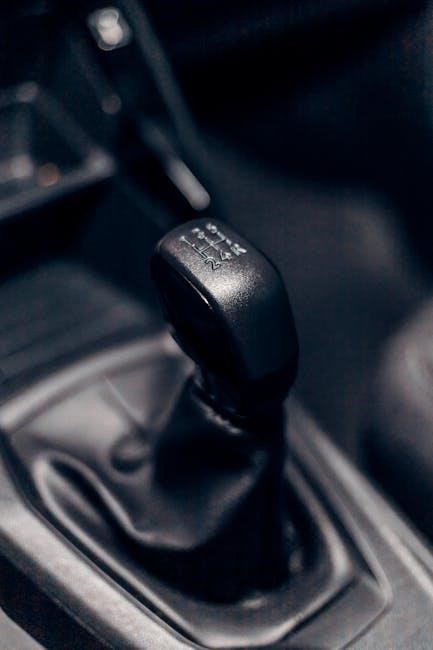
Factors like sourcing parts, addressing unforeseen issues, and meticulous wiring can all contribute to a longer completion timeframe. Patience and thoroughness are key.
Tools Needed for the Swap
Successfully completing an IS300 manual transmission swap requires a comprehensive toolkit. Essential items include a full socket set (metric), wrenches, torque wrench, various screwdrivers, and pliers. Specialized tools like a transmission jack, clutch alignment tool, and potentially an impact wrench are highly recommended.
Diagnostic tools for ECU reprogramming, a multimeter for wiring checks, and potentially a crimping tool are also necessary. Safety gear, including jack stands and gloves, is paramount. Having a friend assist can also streamline the process.
Post-Swap Maintenance
Following an IS300 manual transmission swap, diligent maintenance is crucial for longevity. Regularly check the clutch fluid level and bleed the system if necessary to maintain optimal pedal feel. Inspect the shifter linkage for any looseness or wear, adjusting as needed for precise shifts.
Monitor for any unusual noises from the transmission and driveshaft. Periodic fluid changes, adhering to Toyota’s recommendations, are vital. Ensure proper ECU calibration to prevent issues and maximize performance. A thorough inspection after the first 500 miles is advisable.
Performance Improvements
The IS300 manual transmission swap delivers a noticeable enhancement in driver engagement and control. Eliminating torque converter slip results in more direct power transfer, offering an “instant power” feel as noted in online forums. Precise gear selection allows for optimized engine braking and quicker acceleration;
Combined with a turbo build, the manual swap unlocks the engine’s full potential. Improved responsiveness translates to a more spirited driving experience, making the IS300 a truly capable performance machine.
Legal Considerations
Modifying a vehicle like the IS300 with a manual transmission swap necessitates careful attention to local and state regulations. Vehicle inspection requirements vary significantly; some jurisdictions may require verification that the swap meets safety standards.
Emissions compliance is another crucial aspect. Ensure the modifications do not violate emissions laws, potentially requiring recertification. It’s advisable to consult with local authorities or a qualified mechanic familiar with modification regulations before commencing the swap to avoid legal complications and ensure road legality.
Safety Precautions
Performing an IS300 manual transmission swap demands strict adherence to safety protocols. Always disconnect the battery before commencing any electrical work to prevent shorts and shocks. Utilize jack stands to securely support the vehicle – never rely solely on a jack.
Wear appropriate personal protective equipment, including safety glasses and gloves. Exercise caution when handling fluids, and dispose of them responsibly. Double-check all connections and fasteners to ensure proper installation and prevent component failure during operation, safeguarding against potential accidents.
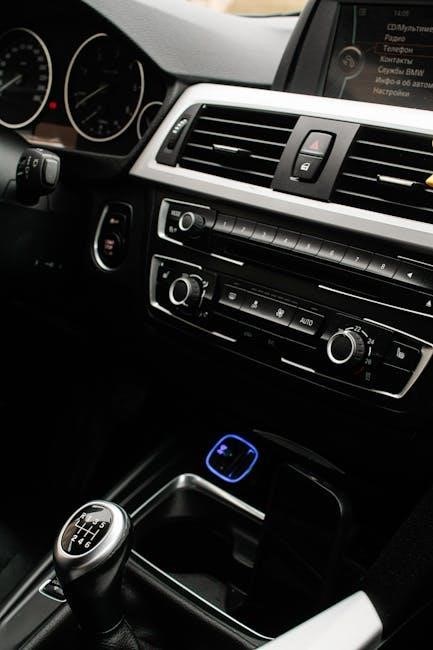
The IS300 manual transmission swap, while demanding, delivers a significantly enhanced driving experience. Resources like Curran’s guide and the expertise of Joel at GR are invaluable throughout the process. Careful planning, meticulous execution, and diligent troubleshooting are key to a successful conversion.
Ultimately, the reward is a more connected and engaging drive, transforming your IS300 into a truly driver-focused machine. Remember to prioritize safety and consult available resources for a smooth and satisfying outcome.