
A working at height risk assessment identifies hazards and ensures safety measures are implemented, documented, and regularly reviewed for a secure work environment.
What is Working at Height?
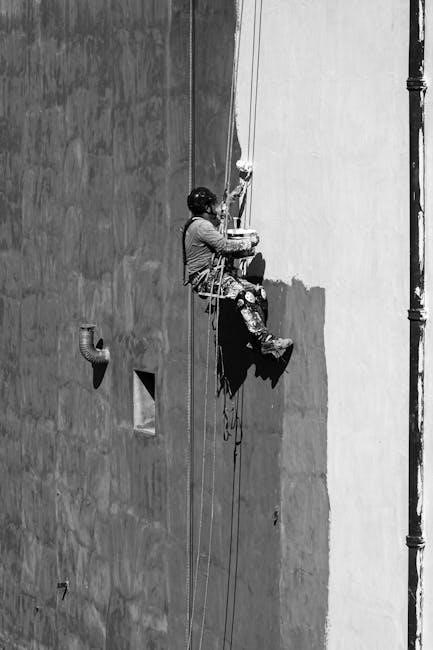
Working at height encompasses any activity where a fall from height is reasonably foreseeable, posing a risk of injury. This isn’t limited to ladders or rooftops; it includes work even at low levels if precautions aren’t in place. The definition extends to situations where individuals are working above ground level, potentially exposing them to falling hazards.
A risk assessment for working at height, often documented in a PDF, meticulously examines these scenarios. It considers factors like access, egress, and environmental conditions. Understanding this broad definition is crucial for correctly identifying potential dangers and implementing appropriate control measures, ensuring worker safety and compliance with regulations. It’s about proactively preventing falls, not just reacting to them.
The Importance of Risk Assessment
A comprehensive risk assessment for working at height, often formalized in a PDF document, is paramount for safeguarding employees and ensuring legal compliance. It proactively identifies hazards – from falling objects to precarious access – before incidents occur. This process isn’t merely a paperwork exercise; it’s a systematic evaluation of potential harm.
By defining risks and outlining control measures, a well-executed assessment minimizes the likelihood of accidents and associated costs. The PDF serves as a record of findings, implemented precautions, and review dates, demonstrating due diligence. It’s a vital tool for promoting a safety-conscious culture and preventing serious injuries or fatalities.
Understanding Risk
Risk encompasses the possibility of harm or loss, while a hazard is the source of potential danger; assessments define these for safe work practices.
Defining Risk and Hazard
Understanding the distinction between risk and hazard is fundamental to a robust working at height risk assessment. A hazard represents a source of potential harm – for example, an unprotected edge, falling objects, or unstable scaffolding. It’s the inherent property that could cause an adverse effect.
Risk, however, is the likelihood that harm will actually occur, combined with the severity of that harm. It’s not simply the presence of a hazard, but the chance of exposure and the potential consequences. Definitions of risk range from narrow focuses on people and machinery to broader views encompassing any uncertainty of outcome. Therefore, a risk assessment isn’t just about identifying hazards; it’s about evaluating the risks associated with those hazards and implementing appropriate control measures to minimize them.
Risk vs. Probability and Severity
Evaluating risk involves considering both the probability of an event occurring and the severity of its potential consequences. Probability assesses how likely it is that exposure to a hazard will result in harm – ranging from highly improbable to almost certain. Severity, conversely, gauges the extent of the harm, from minor injuries to fatalities.
A high probability combined with high severity represents a critical risk demanding immediate attention. Conversely, a low probability and low severity might require minimal control measures. Risk isn’t a single thing; it’s a combination of these two factors. Therefore, a thorough risk assessment assigns values to both probability and severity to determine an overall risk level, guiding prioritization of control measures.
The Risk Assessment Framework
A robust risk assessment framework provides a structured approach to identifying and managing hazards associated with working at height. This typically involves a sequential process: hazard identification, identifying who might be harmed and how, evaluating risks and precautions, recording findings, and regular review.
Such a framework isn’t merely a checklist; it’s a dynamic process. It requires considering all potential risks – slipping, falling objects, inadequate access – and implementing appropriate control measures. A well-defined framework ensures consistency, accountability, and continuous improvement in safety practices, ultimately minimizing the likelihood of incidents and ensuring worker wellbeing.
Step-by-Step Risk Assessment Process
The process includes identifying hazards, determining who could be harmed, evaluating risks, recording findings, and implementing/reviewing precautions for safe work at height.
Step 1: Identify the Hazards
Initially, comprehensively identify all potential hazards associated with the work at height. This includes, but isn’t limited to, falls from height – the primary concern – alongside risks posed by falling objects. Consider inadequate access and egress points, creating difficulties for safe movement.
Crucially, assess environmental factors like wind and adverse weather conditions, which can significantly increase risk. Don’t overlook slipping or tripping hazards while working elevated. A thorough hazard identification forms the foundation of a robust risk assessment, ensuring no potential danger is overlooked. This step requires careful observation of the work area and tasks involved, documenting everything potentially harmful.
Step 2: Identify Who Might Be Harmed and How
Following hazard identification, determine who could be harmed by each hazard. This extends beyond the worker directly undertaking the task; consider colleagues, pedestrians below, or anyone else within the potential impact zone. Specify how they might be harmed – for example, a falling object could cause head injuries, or a fall from height could result in fractures.
Consider vulnerable individuals who may require additional protection. Documenting these potential impacts is vital for tailoring appropriate control measures. This step ensures the risk assessment addresses the safety of everyone potentially affected by the work at height, not just those directly involved in the activity.
Step 3: Evaluate the Risks and Precautions
Once those at risk are identified, evaluate the level of risk associated with each hazard. This involves considering both the probability of the harm occurring and the severity of the potential injury or damage. A common approach is to use a risk matrix, assigning scores to each factor to determine an overall risk level – low, medium, or high.
Next, determine appropriate precautions to control the risks. Prioritize elimination or substitution of the hazard if feasible. If not, implement collective protection measures like guardrails or scaffolding, followed by personal protective equipment (PPE) as a last resort. Document these precautions clearly within the risk assessment.
Step 4: Record Your Findings and Implement Them
Documenting your risk assessment is crucial, especially when creating a working at height risk assessment PDF. This record should detail identified hazards, individuals at risk, the evaluated risk levels, and the implemented control measures. Include specific actions, responsible persons, and timelines for completion.
Implementation requires communicating the findings to all involved personnel, ensuring they understand the risks and precautions. Regularly monitor the effectiveness of control measures and make adjustments as needed. A well-documented PDF facilitates tracking, review, and demonstrates compliance with health and safety regulations.
Step 5: Review and Update the Assessment
Regularly reviewing and updating your working at height risk assessment PDF is paramount. Changes in work processes, equipment, or the work environment necessitate reassessment. Document version control and review dates are essential for maintaining a current and reliable record.
Periodic reviews, even without apparent changes, ensure the assessment remains relevant and effective. Incorporate feedback from workers and lessons learned from incidents or near misses. This iterative process strengthens safety protocols and demonstrates a commitment to continuous improvement, ensuring the PDF remains a valuable safety tool.
Common Hazards When Working at Height
Potential hazards include falls, falling objects, poor access/egress, and environmental factors like wind; a comprehensive risk assessment PDF details these dangers.
Falls from Height – Primary Hazard
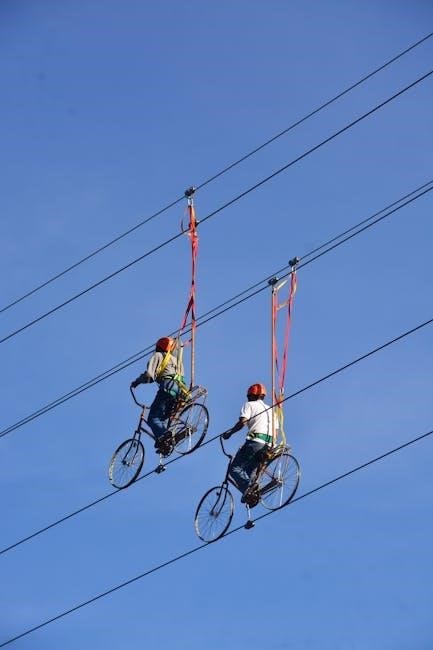
Falls consistently represent the most significant hazard when working at height, demanding meticulous attention within any risk assessment PDF. These incidents can result in severe injuries, including fractures, head trauma, and, tragically, fatalities. A thorough assessment must pinpoint all potential fall scenarios, considering factors like unprotected edges, openings in working surfaces, and inadequate fall protection systems.
The risk assessment PDF should detail specific precautions to mitigate these risks, such as the use of guardrails, safety nets, or personal fall arrest systems (harnesses and lanyards). Proper training on the correct use of this equipment is paramount. Furthermore, the assessment must address the condition of working surfaces, ensuring they are stable and capable of supporting the intended load. Regular inspections and maintenance are crucial to prevent failures and maintain a safe working environment.
Falling Objects
A comprehensive risk assessment PDF must address the danger posed by falling objects when working at height, as they present a substantial hazard to those below. Tools, materials, or debris dislodged from elevated positions can cause serious injuries. The assessment should identify potential sources of falling objects and evaluate the likelihood and severity of harm.
Control measures detailed in the PDF should include toe boards on scaffolding, debris netting, and the secure fastening of tools and materials. Workers should be prohibited from throwing objects from height and must be trained on safe handling practices. Designated drop zones, clearly marked and restricted access areas, are essential. Regular inspections should verify the effectiveness of these controls, ensuring a safe environment for everyone in the vicinity.
Poor Access and Egress
The risk assessment PDF must thoroughly evaluate access and egress challenges when working at height, as these significantly contribute to potential incidents. Unsafe access, like unstable ladders or poorly constructed scaffolding, increases the risk of falls. Similarly, difficult or obstructed egress routes can hinder swift evacuation during emergencies.
The PDF should detail safe access provisions – properly erected scaffolding, secure ladders adhering to safety standards, or mobile elevating work platforms (MEWPs). Egress routes must be clearly defined, well-maintained, and free from obstructions. Emergency procedures, including descent plans, should be documented. Regular inspections are vital to confirm access and egress systems remain safe and functional, minimizing risks associated with reaching and leaving the work area.
Environmental Factors (Wind, Weather)
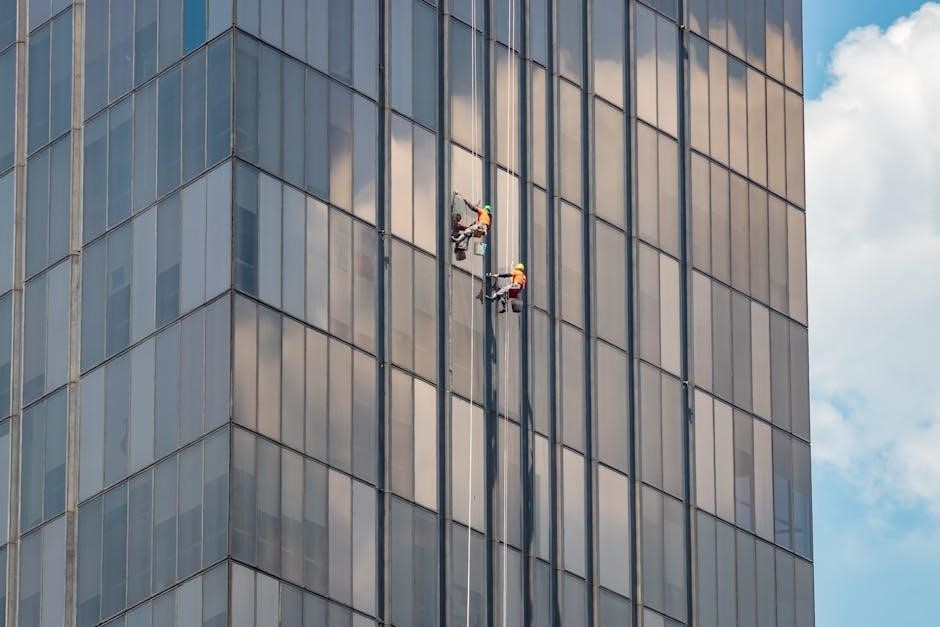
A comprehensive risk assessment PDF must address environmental factors like wind and adverse weather conditions when evaluating work at height. Strong winds significantly increase the risk of losing balance or objects being blown from height, creating serious hazards. Rain, ice, and snow can make surfaces slippery, compromising footing and increasing fall potential.
The PDF should outline procedures for monitoring weather forecasts and implementing work stoppages when conditions become unsafe. Control measures include wind speed limitations for specific tasks, securing materials to prevent them from becoming projectiles, and providing appropriate protective clothing. Detailed emergency plans for sudden weather changes are crucial, ensuring worker safety during unpredictable conditions.
Control Measures for Working at Height
Effective control measures, documented in the risk assessment PDF, prioritize elimination, collective protection like guardrails, and personal protective equipment (PPE) such as harnesses.
Elimination of Work at Height (If Possible)
The most effective control measure, and the first consideration within a comprehensive working at height risk assessment PDF, is eliminating the need to work at height altogether. This involves questioning whether the work is truly necessary and exploring alternative methods that can be performed safely from the ground. Can the task be redesigned or relocated? Utilizing extendable poles, pre-assembly of components at ground level, or employing mobile elevated work platforms (MEWPs) for shorter durations are examples.
A thorough risk assessment PDF should detail how elimination was considered, and if not feasible, justify the reasons. Documenting this process demonstrates a proactive approach to safety and compliance, showcasing a commitment to minimizing risk before implementing other control measures. Prioritizing elimination significantly reduces potential hazards and associated liabilities.
Collective Protection Measures (Guardrails, Scaffolding)
When elimination isn’t possible, a working at height risk assessment PDF should prioritize collective protection measures. These safeguards protect everyone in the work area, not just the individual at height. Examples include installing sturdy guardrails around edges, utilizing properly erected and inspected scaffolding, and employing safety nets to arrest falls. The PDF must detail the specifications of these measures – load capacity of scaffolding, height and integrity of guardrails, and net condition.
Documentation within the risk assessment PDF should confirm that all collective protection equipment meets relevant safety standards and is regularly inspected. Proper installation and maintenance are crucial; the PDF should outline inspection schedules and responsible personnel, demonstrating a commitment to ongoing safety.
Personal Protective Equipment (PPE) – Harnesses, Lanyards
A comprehensive working at height risk assessment PDF details PPE requirements when collective protection isn’t sufficient. This includes specifying appropriate full-body harnesses, correctly sized and fitted, alongside compatible lanyards and anchor points. The PDF must outline proper inspection procedures for all PPE before each use, documenting checks for wear, damage, and correct functionality.
Training on the correct use, donning, and doffing of PPE is paramount, and the risk assessment PDF should reference this training. It should also address rescue plans in case of a fall, detailing procedures and equipment. The document must emphasize that PPE is a last resort, supplementing, not replacing, other safety measures.
Creating a Working at Height Risk Assessment PDF
The PDF document should contain essential elements, version control, review dates, signatures, and clearly defined responsibilities for hazard identification and control.
Essential Elements of a PDF Document
A comprehensive Working at Height Risk Assessment PDF must detail identified hazards, individuals potentially harmed, and the specific risks involved. It requires a thorough evaluation of existing precautions and a clear record of findings, outlining implemented control measures. The document should explicitly state alternative actions considered and why they were chosen or rejected.
Furthermore, it needs a defined scope, detailing the work activity and location. Include details of the assessment date, assessor’s name and competency, and a scheduled review date to ensure ongoing relevance. A clear description of the risk scoring system used is vital for transparency. The PDF should also incorporate emergency procedures and contact information, ensuring swift response in case of incidents. Finally, accessibility and ease of understanding are paramount for all involved personnel.
Document Version Control and Review Dates
Effective document control is crucial for a reliable Working at Height Risk Assessment PDF. Each revision should be clearly versioned (e.g., v1.0, v1.1) with a detailed record of changes made, including the date and author. This ensures traceability and accountability. Regular review dates, typically annually or after significant changes to work practices, are essential to maintain accuracy.
The PDF should prominently display the ‘last reviewed’ date and the date of the next scheduled review. A clear process for updating the assessment, incorporating feedback from workers and incident investigations, must be established. Retaining previous versions allows for comparison and understanding of evolving risks and control measures, supporting continuous improvement in safety protocols.
Signatures and Responsibilities
A comprehensive Working at Height Risk Assessment PDF must clearly define roles and responsibilities. Signatures from individuals involved in the assessment process – including those who identified hazards, evaluated risks, and determined control measures – demonstrate ownership and commitment. The document should specify who is accountable for implementing and monitoring the controls.
Furthermore, signatures from management acknowledging their approval and support are vital. This signifies a commitment to providing the necessary resources for safe work practices. Clearly defined responsibilities ensure everyone understands their role in preventing falls and maintaining a safe working environment, fostering a strong safety culture.
Legal Requirements and Regulations
Relevant health and safety legislation mandates thorough risk assessments for working at height, ensuring compliance with established standards and legal obligations.
Relevant Health and Safety Legislation
Numerous regulations govern working at height, prioritizing worker safety and outlining legal responsibilities. Key legislation includes the Work at Height Regulations 2005 (UK), which demands a hierarchical approach to risk management – elimination, prevention, and then protection. Employers are legally obligated to conduct comprehensive risk assessments before any work at height commences, documenting findings and implementing appropriate control measures.
These assessments must identify hazards like falls from height, falling objects, and inadequate access. Furthermore, legislation emphasizes proper training and competency for all personnel involved, ensuring they understand safe working practices. Failure to comply with these regulations can result in significant penalties and, more importantly, serious harm to individuals. Regular review and updates to risk assessments are also legally required, reflecting changes in work conditions or procedures;
Compliance Standards for Working at Height
Adhering to established compliance standards is crucial for safe working at height practices. Beyond legal requirements, organizations often adopt industry best practices and standards like those provided by the Health and Safety Executive (HSE) in the UK, or OSHA in the US. These standards detail specific requirements for equipment inspection, fall protection systems, and emergency procedures.
A robust risk assessment, documented in a PDF format, demonstrates a commitment to these standards. It should clearly outline hazard identification, risk evaluation, and implemented control measures. Regular audits and inspections are vital to verify ongoing compliance. Furthermore, maintaining detailed records of training, equipment certifications, and assessment reviews provides evidence of due diligence and a proactive safety culture.

Resources and Further Information
Numerous templates and guidance documents are available online, alongside comprehensive training programs, to enhance competency in conducting thorough risk assessments.
Where to Find Templates and Guidance
Locating reliable templates and guidance for working at height risk assessments is crucial for ensuring thoroughness and compliance. Several organizations offer downloadable resources. The Health and Safety Executive (HSE) provides comprehensive guidance and example risk assessments on their website, serving as an excellent starting point.
Additionally, numerous commercial health and safety providers offer customizable templates, often tailored to specific industries or work scenarios; Online searches for “working at height risk assessment template PDF” will yield a variety of options. When selecting a template, ensure it covers all essential elements, including hazard identification, risk evaluation, control measures, and documentation requirements. Remember to adapt any template to your specific workplace conditions and tasks, ensuring it accurately reflects the risks present.
Training and Competency Requirements
Effective working at height risk assessments rely on personnel possessing adequate training and demonstrable competency. Individuals conducting assessments must understand hazard identification, risk evaluation, and appropriate control measures. Comprehensive training programs should cover relevant legislation, safe work practices, and the proper use of equipment like harnesses and scaffolding.
Competency extends beyond initial training; it requires ongoing assessment and refresher courses to maintain skills and knowledge. Employers are legally obligated to ensure employees are competent before undertaking work at height. Documentation of training records is essential for demonstrating compliance. A well-trained team is fundamental to creating and implementing a robust and effective risk assessment process.