Animal Crossing: New Leaf Bugs Guide ‒ Comprehensive Plan
Embark on a detailed journey to master bug catching in Animal Crossing: New Leaf‚ discovering seasonal patterns‚ valuable species‚ and effective techniques for success!
Bug catching is a core activity in Animal Crossing: New Leaf‚ offering a delightful way to earn Bells‚ complete the museum‚ and enjoy the game’s vibrant ecosystem. This guide will equip you with the knowledge to efficiently locate‚ identify‚ and capture a wide variety of insects. From common butterflies to rare stag beetles‚ understanding bug behavior and availability is key.
Successfully catching bugs requires patience‚ the right tools‚ and a keen eye for detail. Prepare to explore diverse environments and master essential techniques!
Understanding Bug Availability
Bug appearances in Animal Crossing: New Leaf are dynamic‚ heavily influenced by both the time of year and the hour of the day. Certain species are exclusive to specific months‚ while others only emerge during particular seasons. Knowing these patterns is crucial for targeting desired bugs. Peak availability times vary; some thrive during daylight‚ while nocturnal bugs appear after dusk.
Utilizing a seasonal guide will significantly improve your catching success‚ maximizing your Bell earnings and museum contributions.
Seasonal Bug Patterns
Each season in Animal Crossing: New Leaf introduces a unique roster of bugs. Spring brings butterflies and early beetles‚ while summer explodes with diverse species. Autumn features leaf rollers and late-season beetles‚ and winter offers limited‚ yet valuable‚ bug encounters.
Notably‚ some bugs previously unavailable in August become accessible in later months‚ demonstrating the shifting availability tied to the calendar year.
Time of Day and Bug Spawns
Bug availability dramatically shifts throughout the day in Animal Crossing: New Leaf. Many species are exclusive to morning‚ afternoon‚ or evening hours. Some‚ like certain moths‚ appear only at night‚ while others vanish with the setting sun.
Understanding these patterns is crucial; diligent players will adjust their hunting schedule to maximize encounters with desired bugs.
Essential Bug Catching Tools
Success in bug catching hinges on having the right equipment. The primary tool is‚ of course‚ the net! Starting with a flimsy net‚ players can upgrade to a standard and eventually a golden net‚ increasing catching efficiency.
Beyond the net‚ keen observation and quick reflexes are vital for securing those elusive insects throughout your town.
The Net: Upgrading and Usage
The net is your core bug-catching tool‚ evolving through three stages. Initially‚ you begin with a flimsy net‚ easily broken‚ then upgrade to a standard net at Nook’s Cranny. Finally‚ the coveted golden net is awarded for completing the museum’s bug collection!
Effective usage requires precise timing; approach slowly and press ‘A’ when close to the bug.
Bug-Catching Techniques
Mastering bug catching demands patience and precision. Approach bugs slowly‚ crouching for stealth‚ and observe their patterns. Avoid running directly at them‚ as this will scare them away. Time your net swing perfectly – press ‘A’ just as you’re within range.
Sound cues can alert you to nearby bugs‚ enhancing your hunting efficiency!
Top Tier Bugs ‒ Value and Rarity
Certain bugs command high prices and possess extreme rarity‚ making them prized catches for dedicated players. The Golden Stag and Horned Hercules are exceptionally valuable‚ appearing during specific summer months. Similarly‚ the Giraffe Stag and Cyclommatus offer substantial rewards.
Locating these elusive insects requires diligent searching and opportune timing!
Golden Stag & Horned Hercules
The Golden Stag and Horned Hercules represent peak bug-catching achievements‚ fetching incredibly high prices – 12‚000 Bells each! These majestic beetles are exclusively found during the late summer months (August and September) clinging to tree stumps. Patience is key‚ as their spawn rates are low.
Dedicated players often spend hours searching for these rare treasures!
Giraffe Stag & Cyclommatus
Giraffe Stags and Cyclommatus beetles are highly sought-after insects‚ commanding substantial prices of 8‚000 Bells apiece. These impressive bugs appear on tree trunks during the late summer and early autumn (August-September). Locating them requires diligent searching‚ as their spawn rates are relatively uncommon.
Persistence will reward dedicated bug collectors!
Common Bugs & Their Locations
Numerous bugs populate your New Leaf town daily‚ offering consistent catching opportunities. Butterflies and moths frequently flutter around flowers‚ while beetles and weevils cling to tree trunks. Expect to find these insects throughout the year‚ though availability shifts with the seasons.
These provide reliable income and museum donations for budding entomologists!
Butterflies & Moths
These delicate insects are commonly spotted fluttering around flowers throughout the year. Species like the Common Buckeye and Monarch Butterfly appear during warmer months‚ while others‚ such as the Peacock Moth‚ emerge seasonally. Patiently stalk and swiftly net them before they drift away!
Flower variety impacts spawn rates‚ so cultivate a diverse garden for optimal catching.
Beetles & Weevils
Beetles and weevils often reside on tree stumps and beneath rocks‚ presenting a unique catching challenge. Look for the Hercules Beetle and Stag Beetles during summer evenings. These bugs are generally slower moving than butterflies‚ but require precise timing to net successfully.
Hitting trees can also dislodge some beetle species‚ adding an element of chance!
Rare Bugs & How to Find Them
Securing rare bugs demands dedication and exploration! Island tours offer a prime opportunity to encounter elusive species unavailable on the mainland. Specific trees‚ like palm trees‚ attract unique bugs. Pay close attention to shadows – larger sizes often indicate rarer catches.
Persistence and checking frequently are key to success!
Island Bugs
Island excursions unlock access to a unique insect population! Several species thrive exclusively on the island‚ unavailable on your main town. These include coveted specimens like the Cyclommatus stag beetle and the Giraffe stag‚ boosting your museum collection’s prestige.
Regular island trips are crucial for completionists seeking ultimate bug-catching mastery.
Tree-Specific Bugs
Certain bugs favor specific tree types‚ demanding targeted searching! Palm trees host unique beetles‚ while regular trees attract varied species depending on the season. Diligently shake trees and inspect their trunks for elusive insects.
Pay close attention to tree types during your bug hunts‚ maximizing your chances of discovering rare and valuable specimens for your museum!
Bug Spawn Locations ‒ Detailed Breakdown
Mastering bug locations is key to a thriving collection! Bugs appear in diverse areas – flowers attract butterflies‚ tree stumps harbor beetles‚ and palm trees host specialized species. Regularly patrol these hotspots‚ varying your route for optimal results.
Understanding spawn points and seasonal changes dramatically increases your bug-catching efficiency‚ leading to a complete museum exhibit!
Flower Locations
Flowers are magnets for butterflies and moths! Different flower types attract varied species‚ so cultivate a diverse garden. Regularly check around your flowers‚ especially during peak hours. Hybrid flowers often draw rarer butterflies‚ increasing your chances of a valuable catch.
Pay close attention to flower color‚ as some bugs show preference!
Palm Tree Bugs
Palm trees host unique bug species not found elsewhere! Specifically‚ the Imperial Butterfly frequently spawns on and around palm trees‚ making them a prime hunting location. Regularly inspect the trunks and surrounding area‚ particularly during warmer months.
These bugs are often more active during the afternoon hours‚ so plan accordingly!
Tree Stump Bugs
Tree stumps are surprisingly productive bug hotspots! Several beetle species‚ including the Hercules Beetle and the Golden Stag‚ are known to spawn on tree stumps. Check these regularly‚ especially during the summer months‚ as these are peak seasons for these valuable insects.
Persistence is key; stumps respawn bugs frequently!
Bug Shadow Sizes & Identification
Understanding bug shadow sizes is crucial for efficient catching! Bugs in Animal Crossing: New Leaf cast shadows that vary in size‚ hinting at the species. Small shadows typically belong to butterflies and some beetles. Medium shadows often indicate larger beetles‚ while large shadows usually signify tiger beetles.
Learn to quickly assess size for targeted catches!
Small Shadow Bugs
Small shadows frequently represent butterflies and certain beetle species in Animal Crossing: New Leaf. Common examples include the Common Bluebottle‚ Cabbage White‚ and various ladybugs. These bugs are generally easier to catch due to their slower movement. However‚ their lower value means focusing on rarer spawns might be more profitable.
Prioritize quick catches for efficient bell-earning!
Medium Shadow Bugs
Medium-sized shadows in Animal Crossing: New Leaf typically indicate a diverse range of beetles and some larger butterflies. Expect to encounter species like the Tiger Beetle‚ Rhino Beetle‚ and Emperor Butterfly. These bugs present a moderate challenge to catch‚ requiring precise net timing.
They offer a good balance between availability and selling price‚ making them worthwhile targets.
Large Shadow Bugs
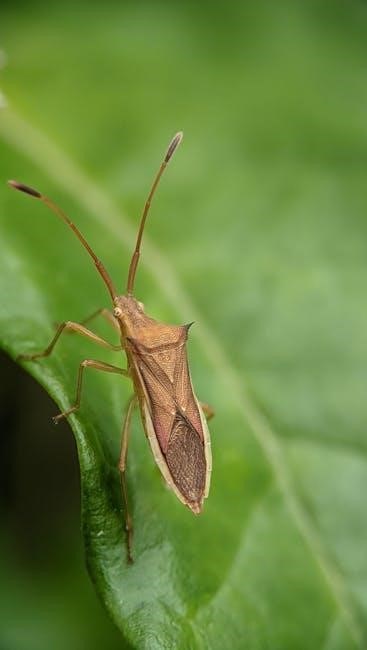
Large shadows generally signify the most valuable and elusive bugs in Animal Crossing: New Leaf‚ primarily the Stag Beetles – including the Golden Stag and Horned Hercules. These beetles are notoriously difficult to catch‚ demanding patience and skillful net control.
Their high selling prices and museum donation value make the effort rewarding!
Bug Behavior & Catching Tips
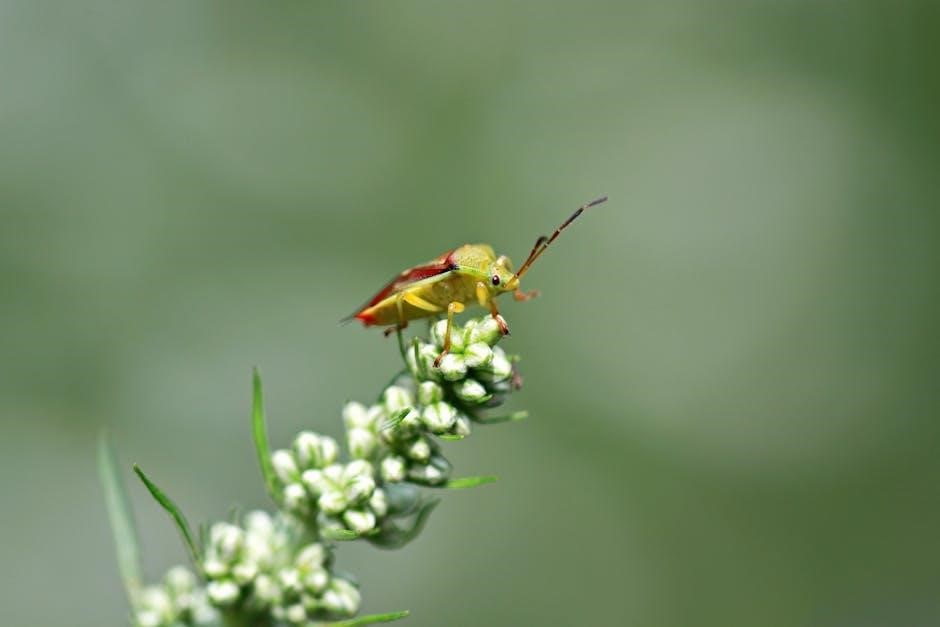
Successfully catching bugs relies on understanding their behavior. Pay close attention to sound cues – a distinct buzzing indicates a nearby bug! Approach slowly and deliberately; rapid movements will scare them away.
Position yourself strategically and time your net swing perfectly to avoid the bug escaping. Practice makes perfect!
Sound Cues for Bug Spawns
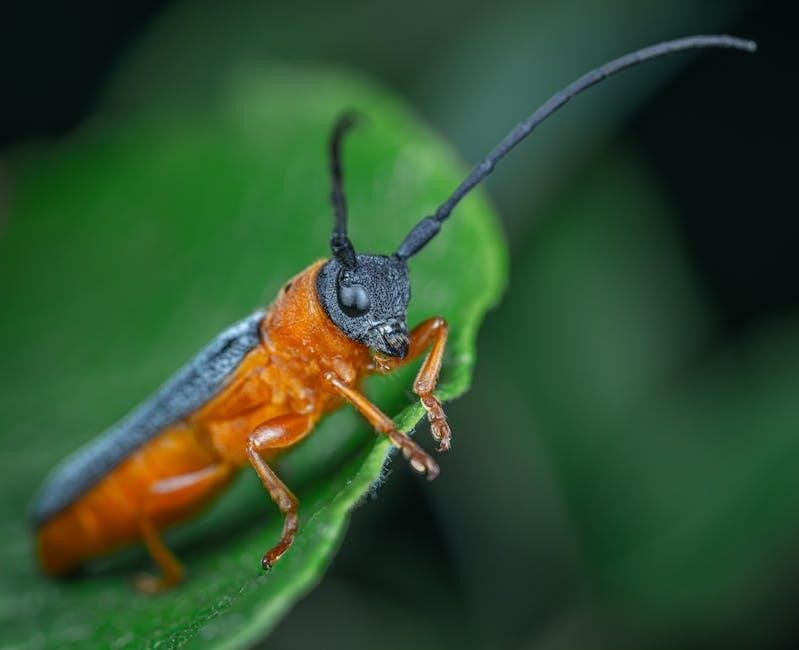
Listen carefully for distinct audio signals! Each bug emits a unique buzzing or chirping sound as it appears. Recognizing these cues is crucial for quick identification and successful catches.
Different bug types have varying sound pitches and volumes‚ allowing experienced players to pinpoint their location before visually spotting them. Hone your listening skills!
Avoiding Bug Escape
Approach bugs slowly and deliberately to minimize startling them. Rapid movements often cause them to fly away. Utilize the ‘crouch’ function (A button) for a stealthier approach‚ reducing your visibility.
Position yourself strategically‚ anticipating their flight path. A quick‚ precise net swing is key. Practice timing and aim to secure those elusive catches before they vanish!
Selling Bugs & Earning Bells
Maximize your profits by selling bugs at Nook’s Cranny‚ where prices fluctuate daily – check often! Consider donating duplicates to the museum to complete the collection‚ though this doesn’t yield Bells.
Rare and valuable bugs‚ like the Golden Stag‚ fetch substantial sums. Strategic selling and museum donations balance financial gain with collection completion‚ boosting your town’s development!
Nook’s Cranny Pricing
Nook’s Cranny offers dynamic pricing for bugs‚ changing daily and sometimes even twice a day! Common bugs sell for modest amounts‚ while rarer species command significantly higher prices.
Tim and Tommy often purchase bugs at varying rates‚ so checking both their offers is crucial. Selling during peak demand or on days with favorable pricing can maximize your Bell earnings‚ aiding town improvements!
Bug Donations to the Museum
Blathers‚ the museum curator‚ eagerly accepts bug donations to enrich the museum’s exhibits! Donating each bug species only once unlocks a permanent display‚ contributing to a complete collection.
While selling bugs yields Bells‚ donating provides lasting recognition and fulfills a key aspect of the New Leaf experience. Completing the bug collection is a significant achievement for dedicated players!
Special Bugs & Events
Certain rare bugs appear during specific events or under unique circumstances‚ offering exciting challenges for collectors. The Rainbow Stag‚ a highly sought-after specimen‚ boasts a very rare spawn rate‚ demanding patience and luck.
Event-exclusive bugs appear only during designated periods‚ like seasonal festivals‚ adding limited-time opportunities to expand your collection. Don’t miss these fleeting chances!
Rainbow Stag (Rare Spawn)
The Rainbow Stag is arguably the most coveted bug in Animal Crossing: New Leaf‚ renowned for its exceptional value and incredibly low spawn rate. It appears only during rainy summer evenings‚ typically from 7 PM to 8 AM.
Locating one requires diligent searching of tree stumps. Prepare for numerous fruitless attempts; persistence is key! Its substantial sale price makes the effort worthwhile for dedicated collectors.
Event-Exclusive Bugs
Certain bugs appear only during specific in-game events‚ offering unique collecting opportunities. These limited-time critters add excitement and encourage participation in seasonal festivities within Animal Crossing: New Leaf.
Keep a close watch on announcements for events like Bug-Off contests‚ as they often introduce exclusive bug spawns. Don’t miss these chances to expand your museum collection with rare and festive insects!
Bug Models & Museum Completion
Donating one of each bug species to the museum is key to completing the insect exhibit! Blathers will gratefully accept your contributions‚ showcasing beautiful bug models for all visitors to admire.
Displaying these models provides a sense of accomplishment and enhances your town’s cultural hub. Strive to catch every bug‚ filling the museum with a vibrant and diverse collection!
Displaying Bug Models
Once donated‚ bug models are elegantly displayed within the museum’s insect exhibit‚ arranged for optimal viewing. Each model showcases the bug’s unique characteristics‚ providing an educational and visually appealing experience for visitors.
The exhibit grows as you donate more species‚ transforming into a comprehensive showcase of the bug world. Take pride in your contributions to Blathers’ ever-expanding collection!
Completing the Bug Collection
The ultimate goal for many players is museum completion! Donating all 80 bug species is a significant achievement‚ unlocking a special dialogue with Blathers and solidifying your status as a master bug catcher.
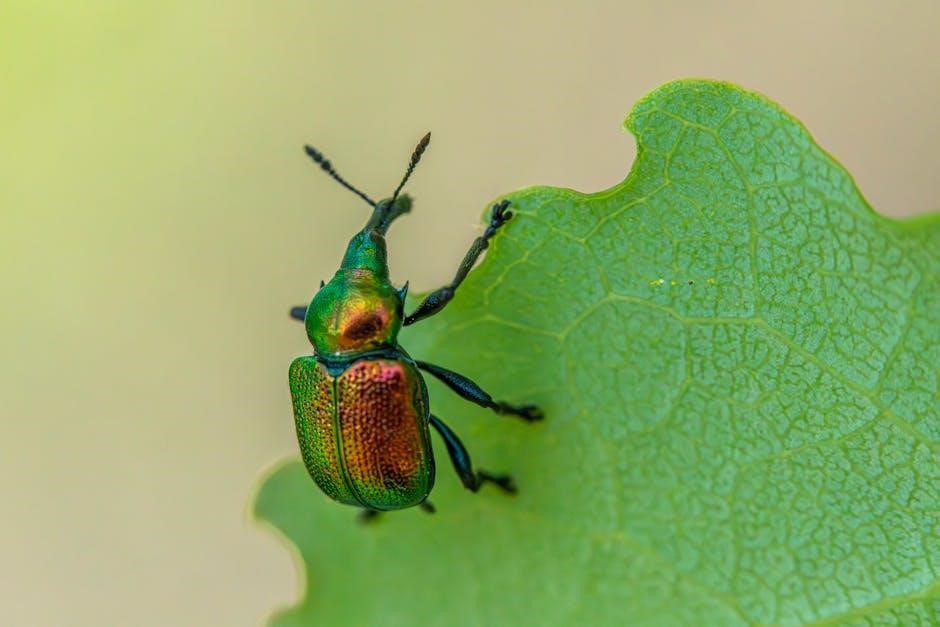
This requires dedication‚ patience‚ and exploration across all areas of your town and beyond. Celebrate this milestone – you’ve truly conquered the insect world of New Leaf!
Advanced Bug Catching Strategies
Maximize your bug-catching efficiency with strategic planning! Utilize Public Works Projects and custom ordinances to influence bug spawns‚ potentially increasing rare encounters. Regularly embark on island tours – these remote locations often host unique and valuable insect species unavailable in your town.
Combine these methods for optimal results and a thriving bug collection!
Using Custom Ordinances
Implement the “Beautiful Town” ordinance to encourage more bugs to spawn throughout your town‚ even during hours they typically wouldn’t appear. This boosts overall bug activity‚ increasing your chances of finding rare specimens. Conversely‚ the “Early Bird” or “Night Owl” ordinances can focus bug spawns during specific times.
Experiment to find what works best for your schedule!
Island Tours for Rare Bugs
Embark on island tours for a heightened opportunity to encounter rare and elusive bugs unavailable in your town. These remote locations often feature unique flora and fauna‚ including island-specific insects like the Emperor Butterfly and the Hercules Beetle;
Prioritize tours during peak seasons for desired bugs!
Troubleshooting Bug Catching Issues
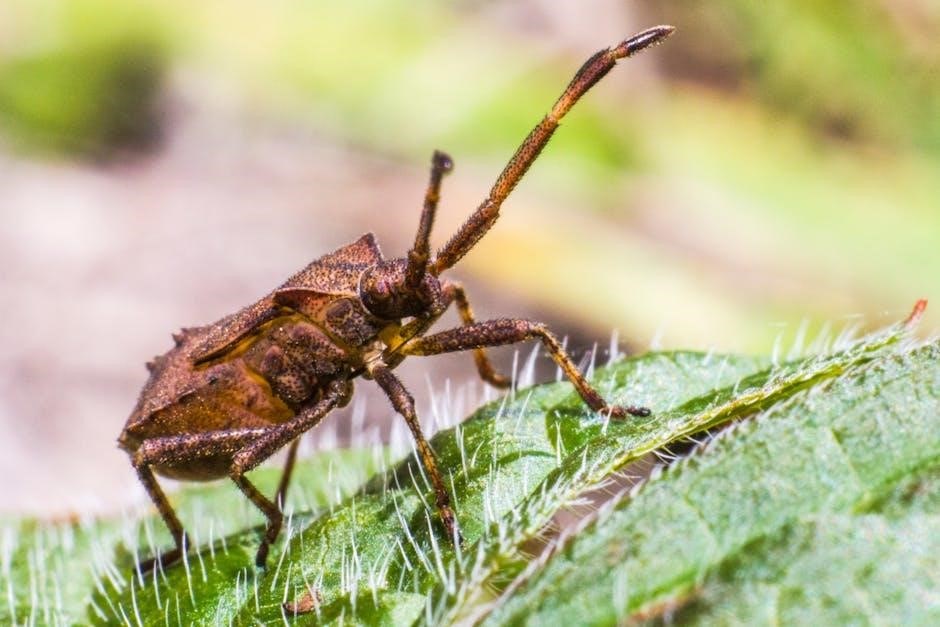
Facing difficulties securing those prized insects? Bugs escaping too quickly often stem from improper net timing – practice swift‚ precise swings! If specific bugs remain elusive‚ verify seasonal availability and time of day.
Check flower and tree locations‚ as spawns are often tied to these areas. Patience is key!
Bugs Flying Away Too Quickly
Experiencing frustrating escapes? The primary culprit is often mistimed net swings. Approach slowly and deliberately‚ pausing briefly before swinging. Ensure you’re close enough – too far‚ and they’ll flee!
Practice makes perfect; focus on rhythm. Upgrading your net improves speed‚ aiding in quicker catches. Consider sound cues to anticipate bug movement and react swiftly.
Difficulty Locating Specific Bugs
Struggling to find elusive insects? Consult detailed bug databases and community guides for precise spawn locations and times. Remember seasonality plays a crucial role; some bugs appear only during specific months.
Explore diverse environments – flowers‚ trees‚ and stumps all host unique species. Island tours offer increased chances for rare bug encounters‚ expanding your search radius significantly.
Resources & Further Information
Expand your bug-catching knowledge with comprehensive online databases detailing spawn times‚ locations‚ and values. Engage with vibrant community forums and guides‚ sharing tips and discoveries with fellow players.
These platforms offer invaluable insights‚ helping you locate rare specimens and optimize your collecting strategy. Utilize these resources to complete your museum collection and maximize your bell earnings!
Online Bug Databases
Access detailed information on every bug in Animal Crossing: New Leaf through dedicated online databases. These resources meticulously catalog spawn months‚ peak hours‚ and specific locations for each species.
Find crucial data regarding shadow sizes‚ selling prices at Nook’s Cranny‚ and museum donation values. Utilize these databases to efficiently plan your bug-catching expeditions and maximize your profits!
Community Forums & Guides
Engage with fellow players on Animal Crossing: New Leaf community forums to exchange valuable bug-catching tips and strategies. Discover hidden locations‚ rare spawn patterns‚ and effective techniques shared by experienced players.
Explore comprehensive guides created by the community‚ offering in-depth analyses of bug behavior and optimal catching methods. Benefit from collective knowledge to enhance your bug-collecting adventures!