Understanding Diastasis Recti
Diastasis recti involves the separation of abdominal muscles, often due to stretching during pregnancy, potentially leading to a bulge and impacting core function.
This condition arises from overstretching of the connective tissue, known as the linea alba, between the rectus abdominis muscles, causing a noticeable gap.
Addressing a gap wider than two fingers is crucial, as it can contribute to back pain, pelvic floor dysfunction, and even organ prolapse over time.
Postpartum exercise, specifically core-strengthening routines, plays a vital role in restoring abdominal muscle integrity and improving overall core stability.
Recognizing the impact of high-impact activities and employing proper breathing techniques are essential components of a safe and effective recovery plan.
What is Diastasis Recti?
Diastasis recti represents the separation of the rectus abdominis muscles – commonly known as the “six-pack” muscles – along the linea alba, the connective tissue running down the midline of the abdomen.
This separation isn’t necessarily a weakness, but rather a natural stretching of the abdominal wall to accommodate a growing baby during pregnancy. However, if the separation persists or widens postpartum, it can lead to functional issues.
The condition manifests as a noticeable vertical gap in the abdominal muscles, often appearing as a bulge, particularly when straining or contracting the abdominal muscles. This bulge is frequently observed around the belly button.
It’s important to differentiate between a mild separation, which may resolve on its own, and a more significant diastasis that requires targeted intervention. A gap wider than two finger-widths is generally considered significant and warrants attention.
Left unaddressed, diastasis recti can contribute to lower back pain, pelvic floor dysfunction, and even symptoms like urinary incontinence, highlighting the importance of proper assessment and rehabilitation.
Causes of Diastasis Recti
Pregnancy is the most common cause of diastasis recti, as the expanding uterus stretches and thins the abdominal muscles to create space for the growing baby. Hormonal changes during pregnancy, specifically the release of relaxin, further contribute to ligament and tissue laxity.
However, it’s not exclusive to pregnancy. Factors like multiple pregnancies, carrying high-weight babies, and advanced maternal age can increase the risk and severity of the condition.
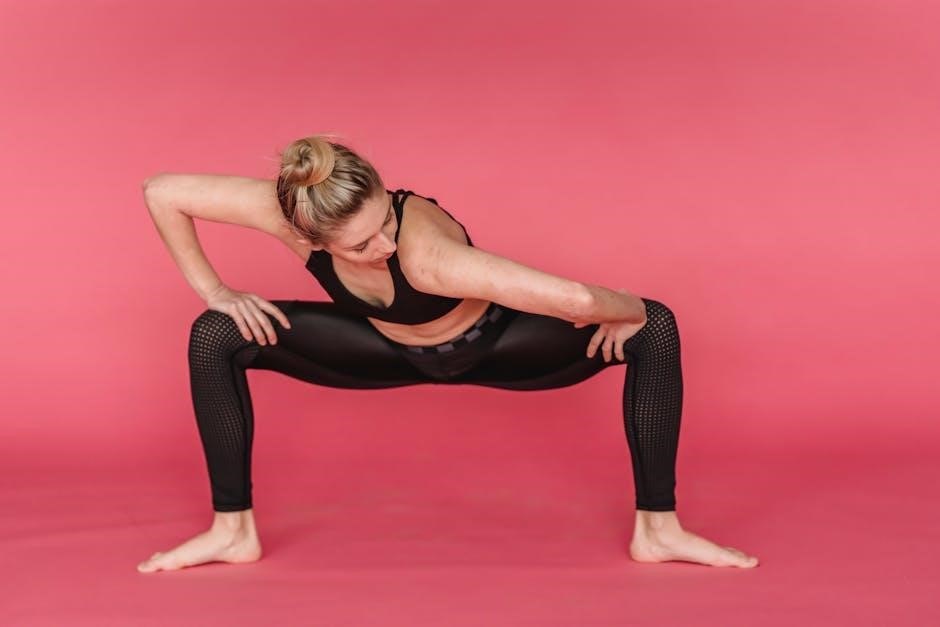
Certain exercise techniques performed incorrectly, particularly those involving excessive intra-abdominal pressure (like improper lifting or intense core work), can exacerbate the separation. Rapid weight gain, even outside of pregnancy, can also play a role.
Individuals with a naturally wider linea alba may be predisposed to developing diastasis recti. Genetics and connective tissue composition can influence susceptibility.
Postpartum, continued strain from lifting, pushing, or coughing without proper core engagement can hinder natural recovery and potentially worsen the separation, emphasizing the need for mindful movement.
How to Self-Assess for Diastasis Recti
Self-assessment can provide an initial indication of diastasis recti, though a professional evaluation is recommended for accurate diagnosis. Lie on your back with knees bent and feet flat on the floor.
Place one hand behind your head for support and the other hand on your abdomen, just above your belly button. Gently lift your head and shoulders off the floor, engaging your abdominal muscles.
Feel for a gap or separation in the midline of your abdomen. Assess the depth and width of the gap as you continue to lift. A gap wider than approximately two finger-widths is often considered significant.
Observe if a bulge appears along the midline during the lift. Note whether the separation feels soft or firm. Repeat the assessment several times, paying attention to any changes.
Remember, this is a preliminary check. Factors like bloating or muscle tension can influence results. Consulting a physical therapist specializing in postpartum recovery is crucial for personalized guidance.

Safe Exercises for Diastasis Recti – A PDF Guide Focus
A comprehensive PDF guide emphasizes core engagement, breathing, and gentle movements like heel slides and pelvic tilts for safe diastasis recti recovery.
Core Engagement & Breathing Techniques
Effective core restoration with diastasis recti hinges on mastering proper engagement and breathing techniques, often detailed within a dedicated PDF guide. These techniques form the foundation for all subsequent exercises, ensuring safety and maximizing results. Diaphragmatic breathing – deep, belly breathing – is paramount.
Inhale deeply, allowing your abdomen to expand outwards, and exhale slowly, consciously drawing your navel towards your spine. This gentle contraction activates the transverse abdominis, the deepest core muscle.
Visualize a corset tightening around your waist during exhalation. Crucially, avoid holding your breath or bearing down, as this increases intra-abdominal pressure and can worsen the separation.
Each exercise, even simple ones, should be performed with this core engagement. For example, during landing from a jump, consciously exhale and lift your core towards the spine. A well-structured PDF will illustrate these techniques with clear visuals and step-by-step instructions, emphasizing mindful movement and proper form.
Heel Slides
Heel slides are a gentle, foundational exercise often included in diastasis recti recovery PDF guides, designed to initiate core engagement without excessive strain. Begin by lying on your back with knees bent and feet flat on the floor. Maintain a neutral spine – a small natural curve in your lower back.
Slowly slide one heel away from your body, straightening your leg along the floor, while simultaneously engaging your core by drawing your navel towards your spine. Focus on maintaining that core connection throughout the movement.
Avoid arching your back or allowing your core to bulge outwards. Slide the heel back to the starting position, continuing to maintain core engagement. Repeat on the other side.
A comprehensive PDF will detail proper form, emphasizing controlled movements and mindful breathing. Start with a small range of motion and gradually increase it as your core strength improves. This exercise helps rebuild core stability and coordination.
Pelvic Tilts
Pelvic tilts are a cornerstone exercise frequently detailed in diastasis recti exercises PDF resources, serving as a gentle introduction to core activation and pelvic floor engagement. Begin by lying on your back with knees bent and feet flat on the floor, maintaining a neutral spine.
Gently tilt your pelvis backward, flattening your lower back against the floor by contracting your abdominal muscles and slightly rotating your pelvis upward. Focus on initiating the movement from your core, not your hips.
Hold for a few seconds, maintaining the contraction, then slowly release, returning to the neutral spine position. Avoid arching your back excessively during the release phase.
A well-designed PDF will emphasize controlled movements and synchronized breathing – exhale during the tilt and inhale during the release. This exercise enhances awareness of core and pelvic floor muscles, promoting stability and control.
Transverse Abdominis Activation
Transverse abdominis (TVA) activation is a foundational technique highlighted in many diastasis recti exercises PDF guides, crucial for rebuilding core strength without exacerbating the separation. Imagine gently drawing your belly button towards your spine, as if bracing for a light punch.
This isn’t about sucking in; it’s a subtle, deep engagement of the deepest abdominal muscle. Maintain normal breathing throughout – avoid holding your breath, as this increases intra-abdominal pressure.
A quality PDF will instruct you to practice this in various positions: lying down, seated, and eventually standing. Focus on maintaining the activation while performing other exercises.
Effective TVA activation creates a natural corset effect, supporting the spine and pelvic floor. Mastering this skill is paramount before progressing to more challenging exercises, ensuring safe and effective core rehabilitation.
Exercises to Avoid with Diastasis Recti
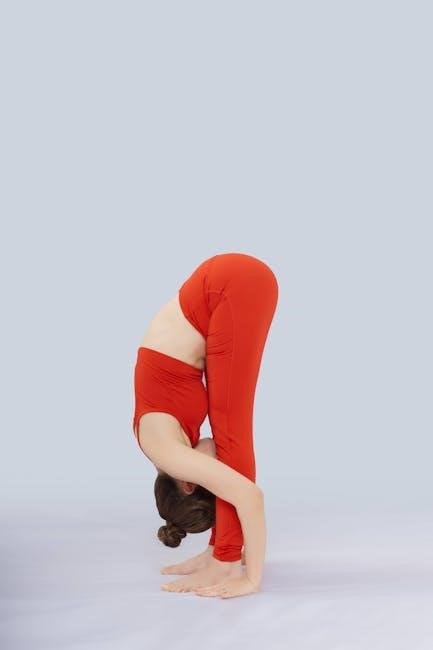
PDF guides emphasize avoiding traditional crunches, full sit-ups, and initially, planks, as these increase abdominal pressure and worsen separation.
High-impact movements like jumping or running should also be limited until core and pelvic floor strength are sufficiently restored.
Traditional Crunches & Sit-Ups
PDF resources consistently advise against traditional crunches and sit-ups when addressing diastasis recti, explaining that these exercises can exacerbate the condition rather than improve it. The primary concern lies in the way these movements engage the abdominal muscles;
Instead of drawing the abdominal muscles together, crunches and sit-ups tend to create a bulging or coning effect along the midline of the abdomen, further widening the gap between the rectus abdominis muscles. This is because they primarily target the superficial abdominal muscles, increasing intra-abdominal pressure.
This increased pressure pushes outward on the weakened linea alba, the connective tissue separating the muscles, hindering the healing process. PDF guides often illustrate this coning effect as a visual cue to avoid these exercises. Furthermore, they suggest focusing on exercises that promote transverse abdominis activation, which gently draws the abdominal muscles inward, supporting the healing of the linea alba.
Modifications or complete avoidance of these exercises are recommended until a significant degree of core restoration has been achieved, as determined by a qualified healthcare professional.
Planks (Initially)
PDF guides regarding diastasis recti often present a nuanced view on planks, recommending initial caution and modifications. While planks are generally considered a core-strengthening exercise, they can be detrimental if performed incorrectly or too early in the recovery process.
The issue stems from the potential for planks to create significant intra-abdominal pressure, similar to crunches. If the deep core muscles, particularly the transverse abdominis, aren’t adequately engaged, a coning or bulging of the abdomen may occur during the plank.
PDF resources emphasize the importance of maintaining a neutral spine and actively drawing the navel towards the spine throughout the exercise. Modified planks, such as those performed on the knees, are often suggested as a starting point to reduce the intensity and pressure.
Progressing to full planks should only occur when the individual can consistently maintain proper form without any coning or discomfort, demonstrating sufficient core stability and control.
High-Impact Exercises (Jumping, Running)
Diastasis recti PDF guides consistently advise caution with high-impact exercises like jumping and running, particularly in the initial stages of recovery. These activities generate significant intra-abdominal pressure, potentially exacerbating the muscle separation or hindering healing.
Each landing from a jump or hop places considerable stress on the core, and without adequate support from the deep abdominal muscles, the gap can widen or become more pronounced. Similarly, the repetitive impact of running can strain the linea alba.
PDF resources recommend a gradual return to these activities, only after establishing a solid foundation of core strength and pelvic floor control. Conscious engagement of the pelvic floor and transverse abdominis during impact is crucial – exhaling with each landing and actively lifting inwards.
If symptoms like pelvic pressure, vaginal heaviness, or urinary leakage occur, it’s a signal to regress and focus on core restoration exercises before attempting high-impact movements again.

Progressive Exercise Plan
Diastasis recti PDF guides outline a phased approach: initial core restoration, strengthening & stabilization, and functional movement integration for optimal recovery.
This plan emphasizes gradual progression, starting with gentle exercises and progressively increasing intensity as core strength improves over time.
Consistent adherence to each phase is vital for safely closing the abdominal separation and regaining functional core control.
Phase 1: Initial Core Restoration
Phase 1, detailed in many diastasis recti PDF guides, focuses on re-establishing a foundational connection with your deep core muscles. This isn’t about ‘fixing’ the gap immediately, but rather learning to activate the correct muscles to support your spine and pelvis. Begin with gentle breathing exercises, concentrating on diaphragmatic breathing – allowing your belly to rise and fall with each inhale and exhale.
Alongside breathing, incorporate Transverse Abdominis Activation (TAA). Imagine gently drawing your belly button towards your spine without holding your breath or tilting your pelvis. This is a subtle engagement, not a forceful contraction. Pelvic Tilts are also beneficial, gently rocking your pelvis forward and backward while maintaining a neutral spine.
Heel Slides, performed while maintaining TAA, add a small range of motion. Avoid any exercises that cause coning or bulging of the abdomen, as this indicates improper form or excessive strain. The goal is to rebuild a stable base before progressing to more challenging movements. Remember, patience and proper technique are paramount during this initial phase.
Phase 2: Strengthening & Stabilization
Phase 2, as outlined in comprehensive diastasis recti PDF resources, builds upon the foundation established in Phase 1, progressively increasing core strength and stability. Continue incorporating TAA with more dynamic movements. Bird-dog exercises, performed slowly and with controlled form, challenge core stability while minimizing abdominal coning.
Dead bugs are another excellent option, focusing on maintaining core engagement as you extend opposite arm and leg. Gentle glute bridges, again with TAA, strengthen the posterior chain and contribute to pelvic stability. Modified side planks, starting with knees bent, can be introduced cautiously, ensuring no bulging occurs.

Remember to prioritize quality over quantity. Focus on maintaining proper form and engaging the deep core throughout each exercise. If you experience any discomfort or coning, regress to a simpler variation. This phase aims to build endurance and control, preparing you for more functional movements in Phase 3.
Phase 3: Functional Movement Integration
Phase 3, detailed in many diastasis recti PDF guides, focuses on translating core strength into everyday movements. Begin incorporating squats and lunges, maintaining core engagement and proper form throughout. Focus on controlled descent and ascent, avoiding any coning or bracing.
Wood chops with light resistance challenge rotational core stability. Farmer’s carries, using manageable weights, improve core endurance and postural control. Gradually reintroduce low-impact cardio, like walking or elliptical training, while consciously engaging the core and pelvic floor.
Remember to listen to your body and progress gradually. Continue prioritizing TAA activation before and during each exercise. This phase aims to build functional strength and resilience, allowing you to return to your desired activities with confidence. Consistent practice and mindful movement are key to long-term success.

The Role of Pelvic Floor Exercises
Pelvic floor exercises, like Kegels, are crucial alongside diastasis recti work, as a strong pelvic floor supports core stability and prevents issues.
These exercises address potential symptoms like pelvic pressure or urinary leakage, often linked to core weakness and abdominal separation.
Consciously lifting and engaging both the pelvic floor and core during exercises enhances overall stability and promotes optimal recovery.
Connection Between Pelvic Floor & Core
The pelvic floor and core muscles work synergistically, forming a vital foundation for overall stability and functional movement. Diastasis recti often co-exists with pelvic floor dysfunction, meaning weakness in one area frequently impacts the other. The deep core muscles, including the transverse abdominis, diaphragm, and pelvic floor, create an intra-abdominal pressure management system.
When the rectus abdominis separates, it compromises this system, potentially leading to increased pressure on the pelvic floor. This can manifest as symptoms like pelvic organ prolapse, urinary incontinence, or feelings of heaviness in the pelvic region. Therefore, addressing both the diastasis recti and the pelvic floor is paramount for comprehensive recovery.
Effective exercises for diastasis recti should incorporate pelvic floor engagement to rebuild this crucial connection. Consciously activating the pelvic floor during core exercises helps restore proper pressure control and improves overall functional strength. Ignoring the pelvic floor can hinder progress and potentially exacerbate symptoms, making a holistic approach essential for lasting results.
Kegel Exercises
Kegel exercises, also known as pelvic floor muscle training, are a cornerstone of rehabilitation for diastasis recti, particularly when pelvic floor dysfunction is present. These exercises involve consciously contracting and relaxing the muscles of the pelvic floor, similar to stopping the flow of urine midstream (though this shouldn’t be a regular practice for testing!).
Proper technique is crucial: focus on isolating the pelvic floor muscles, avoiding contraction of the glutes, thighs, or abdominal muscles. Begin with slow, controlled contractions, holding for a few seconds and then releasing. Gradually increase the hold time and repetitions as strength improves.
Integrating Kegels with diaphragmatic breathing enhances their effectiveness. Inhale deeply, allowing the abdomen to expand, and exhale while gently drawing the pelvic floor muscles upward. Consistency is key; aim for several sets throughout the day. When combined with appropriate core exercises, Kegels contribute significantly to restoring pelvic floor strength and stability, supporting overall recovery from diastasis recti.
Long-Term Management & Prevention
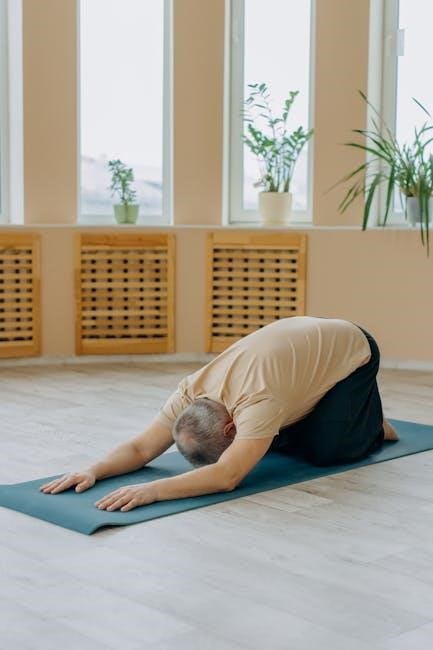
Maintaining core strength through consistent exercise and mindful movement patterns is vital for preventing recurrence. Lifestyle adjustments, like proper lifting techniques, also support long-term abdominal health.
Maintaining Core Strength Post-Recovery
Sustaining core strength after diastasis recti recovery isn’t a one-time achievement, but an ongoing commitment to mindful movement and consistent exercise. It took nine months to stretch the abdominal muscles, so patience is key; complete closure won’t happen overnight.
Continue incorporating exercises that focus on deep core engagement, like transverse abdominis activations and pelvic tilts, into your regular routine. These exercises help maintain stability and prevent the gap from widening again. Remember to prioritize proper form over the number of repetitions.
Gradually reintroduce functional movements, paying attention to how your core feels during each activity. Consciously engage your pelvic floor and core muscles during everyday tasks, such as lifting, bending, and even coughing; This awareness will help reinforce proper muscle activation patterns.
Consider incorporating low-impact activities like walking, swimming, or yoga to further enhance core stability and overall fitness. Avoid returning to high-impact exercises too quickly, and always listen to your body. If you experience any discomfort or bulging, modify the exercise or consult with a healthcare professional.
Lifestyle Adjustments for Prevention
Preventing diastasis recti, or minimizing its severity, involves mindful adjustments throughout pregnancy and postpartum. Proper body mechanics are paramount; avoid lifting heavy objects by bending at the knees and keeping your core engaged. When lifting children, bring them close to your body to reduce strain on your abdominal muscles.
During pregnancy, maintain a healthy weight gain to minimize excessive stretching of the abdominal wall. Be mindful of your posture, avoiding prolonged periods of slouching. Engage your core during daily activities, even simple ones like sitting or standing.
Postpartum, gradually increase activity levels and avoid rushing back into strenuous exercise. Focus on core restoration exercises as guided by a healthcare professional. Pay attention to your body’s signals and modify activities as needed.
Proper breathing techniques, emphasizing diaphragmatic breathing, can also help support core stability. Remember that a holistic approach, combining exercise with mindful lifestyle choices, is crucial for both prevention and long-term core health.