
Hard boiled egg makers offer a convenient, consistent method for cooking eggs, eliminating guesswork and ensuring perfect results every time.
These compact appliances streamline breakfast or meal prep, catering to busy lifestyles and small kitchen spaces with ease and efficiency.
What is a Hard Boiled Egg Maker?
A hard boiled egg maker is a small countertop appliance specifically designed to cook eggs – primarily hard-boiled, but often soft-boiled and poached too.
Unlike traditional stovetop methods, these cookers utilize steam to gently and evenly cook eggs, preventing overcooking and rubbery textures.
They typically feature a heating base, a water reservoir, and an egg tray, offering a simple, automated process.
These devices boast auto-shutoff features and compact designs, making them ideal for dorms or smaller kitchens.
Benefits of Using an Egg Maker
Egg makers deliver consistently perfect eggs, eliminating the uncertainty of stovetop cooking and preventing over or undercooking.
They offer convenience and speed, streamlining meal preparation for busy individuals and families.
Many models feature automatic shut-off, ensuring safety and preventing eggs from becoming rubbery.
Their compact size is ideal for small kitchens, dorms, or RVs, and they often offer versatility beyond just hard-boiling, including poaching and steaming.

Top Hard Boiled Egg Maker Models (2026)
In 2026, leading models from Dash, Cuisinart, and Hamilton Beach offer diverse features and capacities, catering to various needs and preferences.
Dash Rapid Egg Cooker
The Dash Rapid Egg Cooker is celebrated for its simplicity and speed, making it ideal for quick breakfasts or snacks. This model efficiently steams eggs to desired doneness – hard-boiled, soft-boiled, or poached – with minimal effort.
Its compact design suits smaller kitchens and dorm rooms perfectly. Capable of cooking up to six eggs simultaneously, it’s a practical choice for individuals and small families.
Users appreciate its automatic shut-off feature, ensuring safety and preventing overcooking.
Cuisinart CEC100 Egg Central
The Cuisinart CEC100 Egg Central stands out with its versatility, capable of cooking up to ten eggs at once using a two-tiered system. Beyond hard-boiling, it excels at poaching and steaming, offering diverse cooking options.
Its adjustable cooking settings allow for precise control over egg doneness, catering to individual preferences. The automatic shut-off feature adds convenience and safety.
Many users praise its consistent results and ease of cleaning, making it a reliable kitchen staple.
Hamilton Beach Electric Egg Cooker
The Hamilton Beach Electric Egg Cooker provides a budget-friendly and straightforward solution for perfectly cooked eggs. This model typically cooks up to six eggs simultaneously, making it suitable for smaller households or individual use.
It features simple operation with clearly marked water level indicators for achieving desired doneness – soft, medium, or hard-boiled.
Its compact design ensures easy storage, and the automatic shut-off function offers peace of mind during operation.
Setting Up Your Egg Maker
Initial setup is crucial for optimal performance. Carefully unpack your egg maker, inspect all components for damage, and familiarize yourself with its parts.
Unboxing and Initial Inspection
Upon receiving your egg maker, begin by carefully opening the packaging and removing all components. Thoroughly inspect the unit for any visible signs of damage that may have occurred during shipping, such as cracks or dents.
Verify that all included accessories – the egg tray, measuring cup, and potentially a poaching tray – are present and in good condition.
Retain the original packaging for potential warranty claims or returns. A quick visual check ensures a hassle-free cooking experience.
Understanding the Components
Most egg makers feature a heating base, an egg holding tray (often tiered for capacity), and a measuring cup for precise water levels. Some models include poaching trays or omelet accessories.
The heating base houses the element and controls. The egg tray securely holds eggs during steaming.
The measuring cup is crucial for adding the correct amount of water, dictating the desired egg doneness. Familiarizing yourself with each part ensures safe and effective operation.
First-Time Use: Cleaning and Preparation
Before initial use, thoroughly wash the egg tray and measuring cup with warm, soapy water. Wipe down the heating base with a damp cloth – avoid immersion.
Ensure all components are completely dry before assembly. A quick wipe-down removes any manufacturing residue.
This initial cleaning prepares the egg maker for optimal performance and ensures hygienic egg cooking. It’s a simple step for long-lasting usability;

How to Use a Hard Boiled Egg Maker: Step-by-Step Instructions
Effortless egg cooking involves adding water, loading eggs into the tray, and selecting your desired cooking setting for perfect results every time.
Adding Water
Precise water measurement is crucial for optimal egg cooking. Most egg makers include a measuring cup and marked levels indicating water amounts for different desired doneness – soft, medium, or hard-boiled.

Generally, use the provided cup to add water up to the “hard-boiled” line for fully cooked eggs.
Insufficient water can lead to uneven cooking, while excessive water might result in diluted flavor. Always refer to your specific model’s instructions for accurate measurements.
Loading the Eggs
Carefully place eggs into the egg holder or tray provided with your maker. Most models accommodate up to seven eggs, sometimes utilizing a tiered system for increased capacity.
Ensure eggs are positioned securely to prevent cracking during the cooking process.
Avoid overcrowding; proper spacing allows for even steam circulation. Some makers can handle up to ten eggs at once, utilizing two tiers for efficient cooking.
Selecting the Cooking Setting
Refer to your egg maker’s control panel and choose the desired setting – hard-boiled, soft-boiled, or poached. Most models feature clearly labeled options for ease of use.
The settings automatically regulate cooking time and temperature.
Some advanced models offer customizable settings for varying egg sizes or desired yolk consistency, ensuring perfectly cooked eggs tailored to your preference every time.
Cooking Settings Explained
Egg makers offer versatile settings, including hard-boiled for fully cooked yolks, soft-boiled for runny yolks, and a poaching function for delicate, perfectly formed eggs.
Hard Boiled
The ‘Hard Boiled’ setting delivers consistently cooked eggs with firm, fully set yolks – ideal for deviled eggs, egg salad, or a protein-packed snack.
Typically, this setting utilizes maximum steam time and heat.
Water levels are crucial; follow your maker’s guide for optimal results.
Expect cooking times around 8-12 minutes, depending on the model and desired yolk firmness.
Auto shut-off prevents overcooking, ensuring perfectly cooked eggs every single time, eliminating the green ring around the yolk.
Soft Boiled
The ‘Soft Boiled’ setting creates eggs with a runny yolk and a partially set white – perfect for dipping toast soldiers or adding to ramen.
This setting employs a shorter steaming duration and reduced heat compared to the ‘Hard Boiled’ option.
Precise water measurement is key to achieving the desired consistency.
Cooking times generally range from 4-7 minutes, varying by model and preferred yolk runniness.
Enjoy a delightful breakfast or snack with perfectly soft-boiled eggs, effortlessly prepared!
Poached Eggs
Many egg makers feature a ‘Poached Eggs’ setting, offering a mess-free alternative to traditional poaching methods.
This function utilizes a poaching tray and precise steam control to gently cook eggs without shells, resulting in tender, perfectly formed poached eggs.
Add water to the designated fill line and place eggs into the poaching tray.
Cooking times are typically around 6-8 minutes, depending on your desired yolk consistency;
Enjoy restaurant-quality poached eggs with minimal effort!
Tips for Perfect Results
Achieving ideal eggs depends on freshness, size, and water levels; adjust accordingly for consistent outcomes and prevent cracking during the cooking process.
Egg Freshness and Size
Egg freshness significantly impacts peeling ease; older eggs tend to peel more readily due to air pocket expansion. Larger eggs may require slightly increased water levels or a longer cooking time to achieve desired doneness.
Consistent results are best obtained using eggs of similar size within each batch. Experimenting with different egg sizes and freshness levels will help you fine-tune your egg maker’s settings for optimal performance and consistently perfect hard-boiled eggs.
Adjusting Water Levels
Precise water measurement is crucial for successful egg cooking. Most egg makers include measuring cups and marked fill lines for different desired consistencies.
For larger batches or varying egg sizes, slight adjustments may be necessary; generally, ensuring eggs are fully submerged is key. Experimenting with minor water level changes can help you achieve your preferred yolk firmness and prevent undercooking or cracking during the steaming process.
Preventing Cracking
Egg cracking can be minimized by ensuring eggs are at room temperature before cooking. Avoid placing cold eggs directly into the heated egg maker, as the sudden temperature change increases the risk of shell fractures.
Additionally, gently loading the eggs onto the tray and avoiding overcrowding can help. Some models benefit from a small amount of vinegar added to the water, which strengthens the shells and reduces cracking during the cooking cycle.
Cleaning and Maintenance
Regular cleaning ensures optimal performance and longevity of your egg maker. Daily rinsing and occasional deep cleaning are essential for hygiene and functionality.
Daily Cleaning
After each use, unplug your egg cooker and allow it to cool completely before cleaning. Remove the egg tray and rinse it under warm, soapy water. Gently wipe down the heating plate with a damp cloth; avoid abrasive cleaners that could damage the surface.
Ensure all components are thoroughly dried before reassembling. This prevents mineral buildup and maintains optimal performance. A quick wipe of the exterior housing keeps your appliance looking its best;
Deep Cleaning
For a thorough clean, periodically descale your egg cooker to remove mineral deposits. Mix equal parts white vinegar and water, then run a cooking cycle without eggs. Afterward, rinse thoroughly with clean water. Inspect the heating element for any residue and gently wipe clean.
Pay attention to any crevices where buildup might occur. A deep clean every few months ensures longevity and consistent performance, maintaining the quality of your perfectly cooked eggs.
Storage Instructions
After cleaning and ensuring complete dryness, store your egg maker in a cool, dry place. Avoid storing it in direct sunlight or humid environments. If possible, keep the original packaging for safe storage.
Coil the power cord loosely to prevent damage. Proper storage protects your appliance, extending its lifespan and ensuring it’s ready for perfectly cooked eggs whenever you desire a quick and easy meal.
Troubleshooting Common Issues
Addressing common problems like improper cooking, power failures, or difficult peeling ensures optimal performance and extends the life of your egg cooker.
Eggs Not Cooking Properly
If eggs aren’t cooking as expected, first verify the water level matches the recommended amount for your desired doneness. Insufficient water is a frequent cause.
Ensure the egg maker is securely plugged in and the power switch is engaged. Check that the heating plate is clean and free of residue, as buildup can hinder heat transfer.
Also, consider egg freshness; older eggs may require slightly adjusted cooking times. Finally, avoid overcrowding the cooker, as this can lead to uneven cooking.

Egg Maker Not Turning On
When your egg maker fails to power on, the initial step is to confirm it’s properly plugged into a functioning electrical outlet. Test the outlet with another device to rule out a power issue.
Inspect the power cord for any visible damage, such as fraying or cuts. Ensure the on/off switch is fully engaged; sometimes a gentle nudge is needed.
If problems persist, check for a reset button (consult the manual) or consider if the unit has overheated and requires cooling.
Shells Difficult to Peel
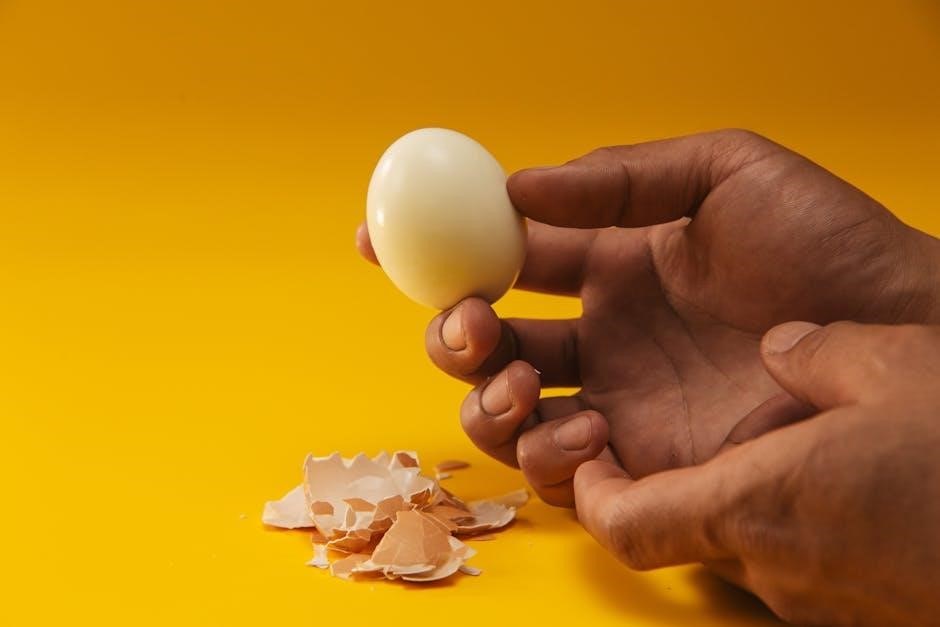
Experiencing trouble peeling eggs? Fresh eggs are notoriously harder to peel; slightly older eggs tend to release shells more easily. An immediate ice bath after cooking creates a separation layer, aiding peeling.
Gently tap the egg all over to create a network of cracks, then roll it on a counter. Start peeling from the larger end where an air pocket exists.
Adding a teaspoon of baking soda to the water may also assist in easier shell removal.
Comparing Egg Maker Features
Key features to consider include capacity, auto shut-off for safety, and additional functions like poaching or steaming capabilities for versatile egg preparation.
Capacity
Egg maker capacity varies significantly between models, influencing how many eggs can be cooked simultaneously. Smaller units typically accommodate up to six eggs, ideal for individuals or couples.
Larger models, like some Cuisinart options, can handle ten or more eggs, perfect for families or meal prepping.
Consider your household size and typical egg consumption when selecting a capacity; tiered designs maximize space within the cooker.
Auto Shut-Off
Auto shut-off is a crucial safety and convenience feature in hard boiled egg makers. This function automatically turns the appliance off once the cooking cycle is complete, preventing overcooking and potential hazards.
Most modern models, including Dash and Hamilton Beach, incorporate this feature, offering peace of mind.
Reliable auto shut-off ensures consistent results and eliminates the need for constant monitoring during operation, enhancing user experience.
Additional Functions (Poaching, Steaming)
Beyond hard-boiling, many egg makers boast versatile additional functions. Some models, like certain Cuisinart options, include poaching trays for delicate, perfectly poached eggs.
Steaming capabilities allow for cooking vegetables or making small omelets, expanding the appliance’s utility.
These extra features transform a single-purpose device into a multi-functional kitchen tool, offering greater value and convenience for diverse culinary needs.