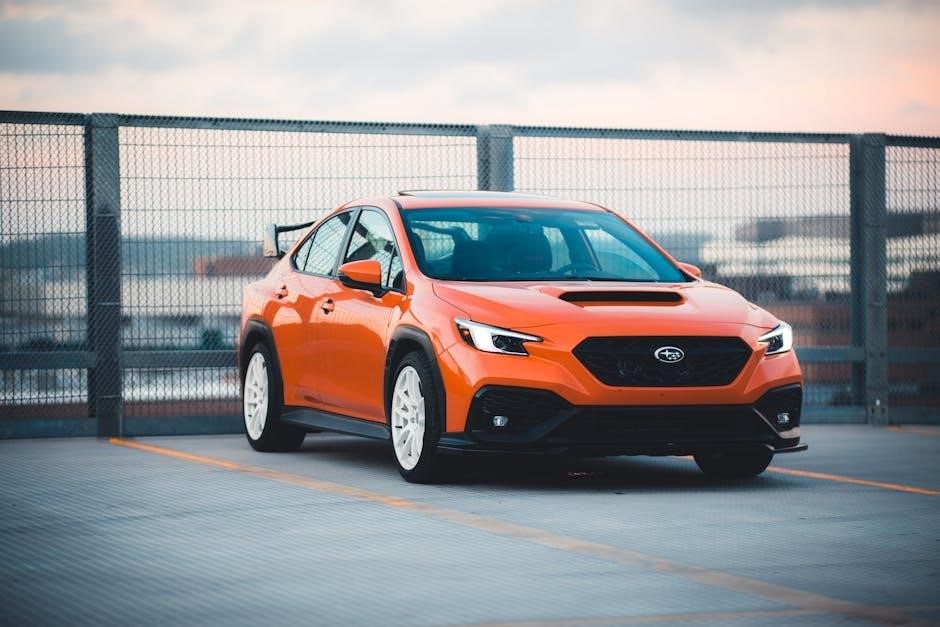
The choice between learning manual or automatic transmissions sparks ongoing debate, with automatics offering convenience and ease of use, especially in urban settings․
The Ongoing Debate
The enduring question of manual versus automatic transmissions continues to fuel passionate discussions among driving enthusiasts and everyday commuters alike․ While automatics prioritize convenience, simplifying the driving experience with fewer controls and reduced physical exertion – particularly beneficial in congested city traffic – manuals champion driver engagement and a more direct connection to the vehicle․
This debate isn’t simply about ease; it touches upon control, skill development, and even the perceived “fun” of driving․ Many purists argue that mastering a manual transmission fosters a deeper understanding of vehicle mechanics and provides a more rewarding experience․ However, the practicality of automatics, especially for daily commutes, remains a strong counterpoint․
Brief History of Both Transmission Types
The story of automotive transmissions begins with manual systems, mirroring the gearboxes found in earlier machinery․ These early manuals demanded significant driver skill, requiring precise clutch and gear lever coordination․ As automotive technology advanced in the late 1930s, automatic transmissions emerged, initially as a luxury feature offering simplified operation․
Early automatics were complex and less efficient, but continuous development throughout the 20th century led to improvements in reliability and performance․ The rise of electronic controls and more sophisticated designs further solidified the automatic’s dominance in many markets․ Despite this, manual transmissions have maintained a dedicated following, valued for their driver involvement and, historically, fuel efficiency․

Driving Experience: Control and Engagement
Manual transmissions provide a direct connection and heightened driver involvement, while automatics prioritize ease and convenience, reducing driver workload significantly․
Manual Transmission: Driver Involvement
Learning a manual transmission fosters a deeper connection with the vehicle, demanding active participation in gear selection and clutch control․ This engagement translates to a more immersive and rewarding driving experience for enthusiasts․
The necessity of coordinating multiple actions – steering, accelerating, braking, and clutch operation – cultivates heightened awareness of the car’s mechanics and road conditions․ Drivers often report a greater sense of control and responsiveness, particularly during spirited driving․
Mastering a manual transmission requires skill and practice, but the resulting proficiency can be incredibly satisfying, offering a level of involvement absent in automatic systems․
Automatic Transmission: Ease of Use
Automatic transmissions prioritize convenience, simplifying the driving process by eliminating the need for manual gear changes and clutch operation․ This is particularly advantageous in congested urban environments, reducing driver fatigue and stress․
With only two pedals – accelerator and brake – automatics require a minimal learning curve, making them accessible to a wider range of drivers․ The ease of operation allows drivers to focus more intently on steering and surrounding traffic․
For many, the reduced physical demands of an automatic transmission enhance the overall driving experience, especially during long commutes or in stop-and-go traffic․

Cost Analysis: Purchase Price and Maintenance
Generally, vehicles with automatic transmissions have a higher initial purchase price compared to their manual counterparts, but long-term maintenance can vary․
Initial Purchase Price Comparison
Historically, vehicles equipped with manual transmissions have presented a lower upfront cost to consumers․ This price difference stems from the simpler mechanical design and manufacturing processes associated with manual gearboxes․ However, the gap in initial pricing between manual and automatic options is narrowing, particularly with the increasing sophistication of automatic transmission technology․
Modern automatics, featuring multiple gears and advanced control systems, are becoming more prevalent, influencing their cost․ While a base model with a manual transmission might still be cheaper, higher trim levels often see automatic transmissions as standard or have minimal price differences․ Ultimately, the specific vehicle model and market conditions significantly impact the initial purchase price comparison․
Long-Term Maintenance Costs
Traditionally, manual transmissions were considered less expensive to maintain over the vehicle’s lifespan․ This perception arose from their simpler mechanical construction, reducing the potential for complex and costly repairs․ However, modern automatic transmissions, while initially more expensive to fix, have become increasingly reliable․
Key maintenance items for manuals include clutch replacements, while automatics may require fluid changes and occasional solenoid repairs․ The frequency and cost of these services depend heavily on driving habits and vehicle usage․ Neglecting maintenance on either transmission type can lead to significant expenses, potentially offsetting any initial cost savings․

Fuel Efficiency: Myths and Realities
Historically, manuals offered better fuel economy, but modern automatics, particularly those with many gears, often match or even surpass manual efficiency ratings․
Manual Transmission Fuel Economy
Traditionally, manual transmissions were lauded for superior fuel efficiency due to their direct connection between the engine and wheels, minimizing power loss․ Drivers could optimize gear selection for maximum economy․ However, this advantage has diminished with advancements in automatic transmission technology․
While a skilled driver can still potentially achieve slightly better mileage with a manual, the difference is often negligible in modern vehicles․ Factors like driving style, road conditions, and vehicle maintenance play a more significant role in overall fuel consumption than the transmission type itself․
Automatic Transmission Fuel Economy (Modern vs․ Older)
Older automatic transmissions were notoriously less fuel-efficient than manuals, suffering from torque converter slippage and fewer gear ratios․ This resulted in significant power loss and lower MPG․ However, modern automatics have undergone a revolution in efficiency․
Featuring eight, nine, or even ten gears, coupled with sophisticated computer controls and improved torque converter designs, contemporary automatics often match or even surpass manual transmissions in fuel economy․ Continuously Variable Transmissions (CVTs) further enhance efficiency by offering an infinite number of gear ratios․
Driving Conditions: City vs․ Highway
Automatics excel in stop-and-go city traffic, reducing driver fatigue, while manuals offer greater control on highways, enhancing the driving experience․
Manual in Urban Environments
Navigating city streets with a manual transmission demands constant clutch and gear adjustments, potentially leading to driver fatigue during frequent stops and starts․ This continuous engagement, while offering a heightened sense of control, can become physically taxing in congested traffic․ The need to repeatedly shift gears and manage the clutch pedal requires significant coordination and can be less forgiving for novice drivers․ However, experienced drivers may appreciate the precise control a manual provides for maneuvering through tight spaces and responding quickly to changing traffic conditions․ Ultimately, the suitability of a manual transmission in an urban setting depends heavily on individual driver preference and skill level․
Automatic in Highway Driving
On the open highway, automatic transmissions truly shine, offering a relaxed and effortless driving experience․ The absence of a clutch pedal and the seamless gear changes minimize driver fatigue during long journeys․ Maintaining a consistent speed becomes simpler, allowing drivers to focus more on road conditions and less on mechanical operation․ Modern automatics, with their multiple gears, efficiently manage engine power for optimal fuel economy at highway speeds․ This convenience is particularly valuable for extended road trips, where comfort and ease of use are paramount․

Learning Curve and Skill Development
Mastering a manual transmission demands significant practice and coordination, while automatics require minimal learning, prioritizing ease of operation for new drivers․
Difficulty of Learning Manual
Learning to drive a manual transmission presents a steeper initial learning curve compared to automatic systems․ Drivers must coordinate the clutch, gear shifter, and accelerator simultaneously, a skill requiring considerable practice to master․
Stalling the engine is a common occurrence for beginners, often leading to frustration․ Hill starts can also be particularly challenging, demanding precise timing and coordination to prevent rolling backward․
However, overcoming these hurdles builds a deeper understanding of vehicle mechanics and enhances driver control․ While demanding initially, the reward is a more engaging and connected driving experience․
Automatic: Minimal Learning Required
Learning to operate an automatic transmission is remarkably straightforward, requiring significantly less initial effort than mastering a manual system․ With only two pedals – accelerator and brake – the learning process is considerably simplified, especially for new drivers․
The absence of a clutch pedal and gear shifting eliminates the coordination challenges inherent in manual transmissions, allowing drivers to focus primarily on steering and speed control․
This ease of use makes automatic transmissions particularly appealing for those prioritizing convenience and a less physically demanding driving experience, especially in congested urban environments․
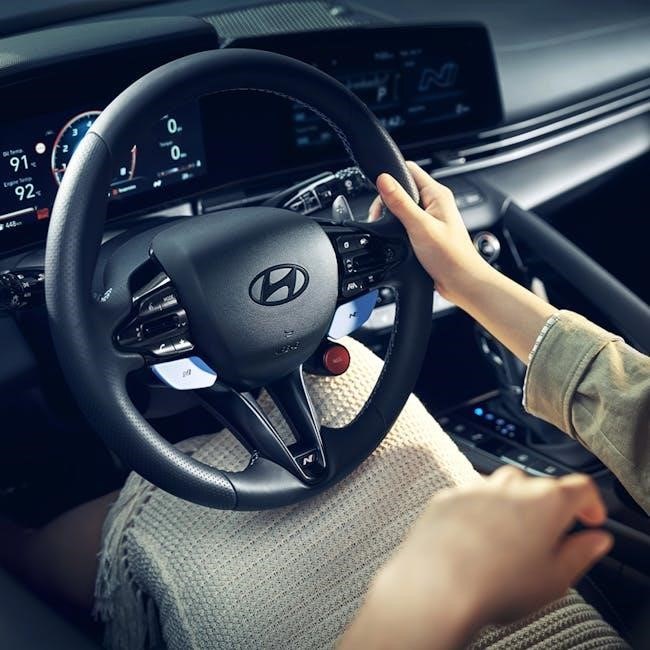
Resale Value Considerations
Generally, automatic transmissions maintain stronger resale value due to broader market appeal, though enthusiast vehicles with manuals may command a premium price․
Manual Transmission Resale Value
Historically, vehicles equipped with manual transmissions often held a niche appeal, attracting driving enthusiasts willing to pay a slight premium for the engaging experience․ However, the resale market has shifted considerably․ While a well-maintained manual car can still attract a dedicated buyer, the overall demand is generally lower than for automatics․
This diminished demand can translate to a slower sale or a lower selling price․ Certain sports cars or classic models may buck this trend, retaining or even increasing in value with a manual gearbox․ But for most everyday vehicles, an automatic transmission typically presents a more favorable resale scenario, appealing to a wider pool of potential purchasers․
Automatic Transmission Resale Value
Generally, vehicles featuring automatic transmissions demonstrate stronger resale value compared to their manual counterparts, largely due to broader market appeal․ The convenience and ease of operation offered by automatics attract a significantly larger segment of buyers, translating into quicker sales and potentially higher prices․
This trend is particularly pronounced in mainstream vehicles where the majority of drivers prefer the simplicity of an automatic․ While enthusiast models with manual options may hold value, the wider accessibility of automatics consistently positions them favorably in the used car market, making them a safer bet for resale․
Technological Advancements in Automatic Transmissions
Modern automatics boast features like paddle shifters and continuously variable transmissions (CVTs), enhancing control and efficiency, blurring the lines with manual driving․
Modern Automatic Features (e․g․, Paddle Shifters)
Contemporary automatic transmissions are far removed from their predecessors, incorporating technologies designed to mimic the engagement of a manual gearbox․ Paddle shifters, prominently featured in many performance-oriented vehicles, allow drivers to manually select gears without the need for a clutch pedal․
This provides a greater sense of control and responsiveness, appealing to enthusiasts who enjoy a more involved driving experience․ Furthermore, advanced algorithms optimize gear selection for efficiency and performance, often surpassing what a human driver could achieve consistently․ These advancements demonstrate that automatic transmissions are no longer simply about convenience; they represent a sophisticated engineering solution․
Continuously Variable Transmissions (CVTs)
Continuously Variable Transmissions (CVTs) represent a distinct departure from traditional automatic gearboxes, employing a belt-and-pulley system to provide an infinite range of gear ratios within its operating limits․ Unlike stepped automatic transmissions, CVTs maintain the engine at its most efficient RPM, resulting in smoother acceleration and improved fuel economy․
While some drivers appreciate the seamless power delivery, others find the engine’s constant drone during acceleration less engaging․ CVTs are increasingly common in fuel-efficient vehicles, offering a unique driving experience that prioritizes optimization over traditional gear changes․

Safety Features and Considerations
Modern automatics often include safety features like hill-start assist and electronic stability control, enhancing driver confidence and overall vehicle safety on various terrains․
Manual Transmission and Driver Control
A manual transmission provides a more direct connection between the driver and the vehicle, fostering a heightened sense of control․ This engagement allows for precise gear selection, beneficial for spirited driving and navigating challenging road conditions․
Drivers learning manual transmissions develop a greater understanding of engine mechanics and vehicle dynamics․ The necessity of clutch control and gear shifting demands focused attention, potentially increasing awareness of surroundings and promoting safer driving habits․
However, this increased control requires skill and practice; improper use can lead to stalling or jerky movements․ While modern safety features mitigate some risks, the driver remains actively responsible for managing the powertrain․
Automatic Transmission Safety Features
Modern automatic transmissions are increasingly equipped with advanced safety features designed to enhance driver assistance and prevent accidents․ These include electronic stability control, traction control, and anti-lock braking systems, often integrated with the transmission for optimal performance․
The ease of operation offered by automatics can reduce driver fatigue, particularly in stop-and-go traffic, potentially improving reaction times․ Features like hill-start assist prevent rollback on inclines, adding another layer of safety․
Furthermore, automatics allow drivers to focus more fully on steering and observing the road, minimizing distractions associated with gear changes․